

Writing a formal letter is one of the most important communication skills in both professional and personal contexts. In today’s fast-paced world, whether you are applying for a job, submitting an official request, addressing an institution, or making a complaint, knowing how to write a formal letter is crucial. A well-crafted formal letter demonstrates professionalism, clarity, and respect, which can significantly impact the response you receive from the recipient. On the other hand, poorly written letters may result in misunderstandings, delays, or even rejection of your requests.
Formal letters are commonly used in business correspondence, academic applications, legal communications, or government-related matters. Unlike casual or informal letters, formal letters adhere to a structured format, maintain a polite tone, and avoid personal anecdotes or slang. Understanding the structure, purpose, and etiquette of formal letters ensures your message is delivered effectively and professionally.
What is a Formal Letter?
A formal letter is a written communication addressed to individuals, companies, or institutions in an official capacity. It is used for professional or formal purposes where clarity, courtesy, and structure are necessary. A formal letter differs from an informal letter, such as one sent to friends or family, in tone, language, and format. While informal letters may use casual language, personal stories, or emotive expressions, formal letters maintain a neutral, polite, and professional style.
Formal letters can take many forms, including applications, complaint letters, recommendation letters, inquiry letters, resignation letters, and letters requesting official information. In Singapore, formal letters are particularly relevant in workplaces, educational institutions, government offices, and service-related contexts where professional communication is required.
By understanding what a formal letter is, you can ensure that your communication is appropriate and effective for the intended recipient. This is the first step in learning how to write a formal letter successfully.
When Should You Send a Formal Letter?
Knowing when you should send a formal letter is just as important as understanding how to write it. Formal letters are appropriate in any situation where professionalism, clarity, or official documentation is needed. Some common scenarios include:
- Job Applications: When applying for employment, submitting a CV, or following up after an interview.
- Official Requests: Requesting information from government agencies, institutions, or businesses.
- Complaints or Grievances: Addressing service issues, billing disputes, or product concerns.
- Business Correspondence: Communicating with clients, suppliers, or business partners.
- Academic Purposes: Submitting applications, requesting transcripts, or seeking references.
Formal letters are necessary whenever a written record is important, or when a professional tone is expected. In Singapore, employers, schools, and government agencies often prefer formal letters because they provide a clear, structured communication trail that is easy to review and respond to.
What are the Components of a Formal Letter?
To write an effective formal letter, it is essential to understand what are the components of a formal letter. Each component plays a crucial role in ensuring the letter is professional, readable, and complete. The main components include:
- Sender’s Address: The address of the person writing the letter. Typically placed at the top right-hand corner, it helps the recipient identify and respond to the sender.
- Date: Placed below the sender’s address. The date indicates when the letter was written and is essential for record-keeping.
- Recipient’s Address: Includes the recipient’s name, title, organisation, and address. This ensures the letter reaches the correct individual or office.
- Salutation: A polite greeting such as “Dear Sir/Madam” or “Dear [Recipient’s Name]”.
- Subject Line (Optional): A brief line summarising the purpose of the letter. For example: “Application for Marketing Executive Position.”
- Body: Divided into three sections — introduction, main content, and conclusion. The introduction states the purpose, the main content provides details, and the conclusion summarises the message or requests action.
- Closing: A courteous sign-off, such as “Yours sincerely” or “Yours faithfully.”
- Signature: The sender’s handwritten or typed name, optionally including a designation or title.
Including all these components ensures the formal letter is professional and effective. Missing any part may reduce clarity or make the letter appear incomplete.
How to Write a Formal Letter
Writing a formal letter involves following a structured approach to convey your message clearly. Here is a step-by-step guide on how to write a formal letter:
Step 1: Determine the Purpose:
Before writing, identify the exact reason for sending the letter. Knowing the objective allows you to communicate clearly and avoid unnecessary details.
Step 2: Choose the Right Tone:
Use a professional and polite tone. Avoid contractions, slang, or casual language. Keep sentences clear, concise, and formal.
Step 3: Organise the Content:
Start with a clear introduction stating the purpose of the letter. Follow with the main body, where you provide details, explanations, or supporting information. Conclude with a courteous summary and any call to action.
Step 4: Proofread and Edit:
Review your letter for grammatical errors, typos, or unclear phrasing. Ensure all information, names, and addresses are correct.
Step 5: Use a Template:
Using a formal letter template helps maintain the correct format and ensures no essential components are missing.
Things to Avoid in a Formal Letter
Knowing things to avoid in a formal letter ensures professionalism and prevents misunderstandings. Key mistakes include:
- Using informal language, slang, or emojis.
- Writing long, unfocused paragraphs that confuse the reader.
- Omitting essential details like addresses, dates, or the recipient’s name.
- Using inappropriate tone, either too casual or overly aggressive.
- Failing to proofread, resulting in spelling or grammatical errors.
By avoiding these errors, you can maintain credibility and ensure your letter is taken seriously.
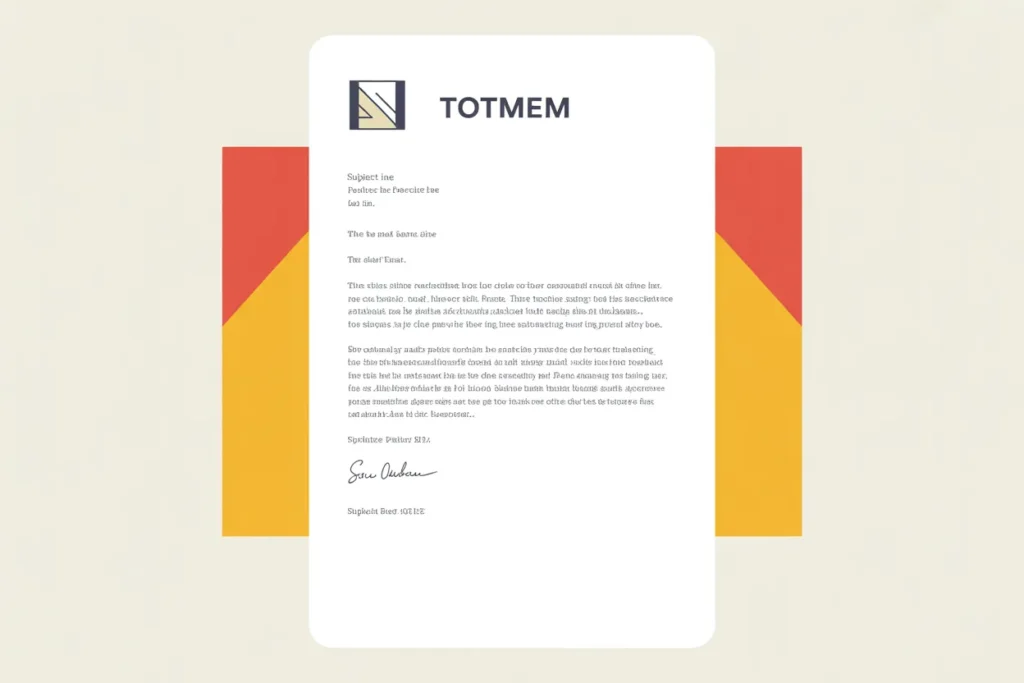
Formal Letter Template
Here is a formal letter template you can use as a reference:
[Your Address]
[City, Postal Code]
[Date]
[Recipient’s Name]
[Title / Position]
[Organisation Name]
[Address]
Dear [Recipient’s Name / Sir/Madam],
Subject: [Brief Purpose of the Letter]
Introduction: State the purpose of your letter in a concise manner.
Main Body: Provide relevant details, explanations, or requests. Keep paragraphs short and clear.
Conclusion: Summarise the main points and indicate any action you expect from the recipient.
Closing: Yours sincerely / Yours faithfully,
[Your Name]
[Designation, if applicable]
Formal Letter Example
[123 Orchard Road]
Singapore 238823
5 February 2026
Mr. Tan Wei Ming
HR Manager
ABC Corporation
456 Marina Bay Sands
Dear Mr. Tan,
Subject: Application for Marketing Executive Position
I am writing to express my interest in the Marketing Executive position advertised on your company website. I believe my qualifications and experience align closely with the requirements of this role.
I have over three years of experience in digital marketing, managing campaigns, and analyzing market trends. I am confident that my skills will contribute positively to ABC Corporation’s marketing objectives.
I would appreciate the opportunity to discuss my application further. Thank you for your time and consideration.
Yours sincerely,
Jane Lim
Conclusion
Mastering how to write a formal letter is essential for anyone navigating professional, academic, or administrative situations. By understanding the purpose, components, and structure of a formal letter, maintaining a polite and professional tone, and avoiding common mistakes, you can create letters that communicate effectively and leave a strong impression. Using templates and examples ensures your letters are well-organised, clear, and professional. Whether you are writing job applications, official requests, or business correspondence, a properly written formal letter can make a significant difference in how your message is received and acted upon.
FAQ: How to Write a Formal Letter
What is a formal letter?
A formal letter is professional written communication addressed to individuals or organisations for official purposes such as applications, requests, or complaints.
When should you send a formal letter?
Send a formal letter when communicating professionally, requesting services, submitting applications, or addressing official matters.
What are the components of a formal letter?
Key components include sender’s address, date, recipient’s address, salutation, subject line, body, closing, and signature.
How do I write a formal letter effectively?
Determine the purpose, use a professional tone, structure your content clearly, and proofread carefully before sending.
What things should I avoid in a formal letter?
Avoid slang, informal language, long irrelevant paragraphs, missing addresses, and grammatical errors.
Is there a template I can follow for formal letters?
Yes, using a formal letter template ensures proper formatting and includes all essential components for professional correspondence.