
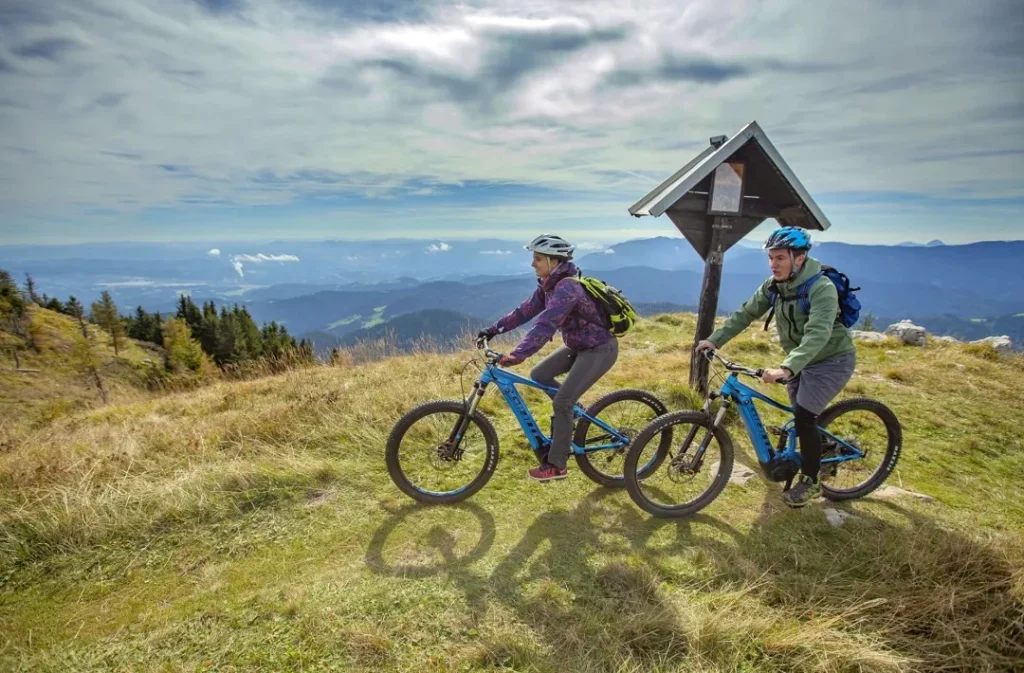
Outdoor adventures become even more exciting when you have the right bike for the journey. From mountain trails and forest paths to city roads and sandy beaches, different bikes are built for different riding experiences. Choosing the right one can make your ride smoother, safer, and more enjoyable.
Whether you love speed, comfort, or off-road fun, there’s a bike designed to match your style and needs. Understanding the different types of bikes can help beginners and experienced riders make better choices before heading outdoors.
In this guide, we’ll explore popular bike types and how each one can improve your next adventure on the road or trail.
Getting Honest About What Each Bike Category Actually Does
Before you spend a dollar, you need to understand what each type of bike category genuinely excels at. The market is crowded, the marketing is loud, and knowing the difference saves you from a purchase you’ll regret inside of six months.
Mountain Bikes Built for Terrain That Fights Back
Technical trails, rock gardens, steep descents, and mountain bikes were engineered specifically for conditions that would destroy everything else. Trail, cross-country, enduro, and downhill build each approach to different landscapes with purpose.
Hardtail suspension handles moderate trails without the weight penalty; full suspension earns its price when the terrain gets genuinely aggressive. Modern geometry and lightweight carbon have pushed the capability to levels that felt impossible just five years back. If the dirt is your destination, this is where the conversation starts.
Riders who want extra power and stability on rough terrain can also explore fat tire e-bikes for a smoother and more confident outdoor riding experience.
Road Bikes Pavement’s Most Honest Machine
There is no more efficient tool on smooth asphalt than a well-built road bike. Classic, endurance, aero, and race configurations each address different fitness goals and riding preferences.
Integrated power meters and smart sensors now give everyday riders the kind of data that used to belong exclusively to professional pelotons. If most of your miles happen on pavement, there’s genuinely nothing that competes.
Gravel and Adventure Bikes For Riders Who Refuse to Stay in One Lane
Gravel bikes solve a problem that road bikes and mountain bikes each only half-address. Flared drop bars, generous tire clearance, and tubeless-ready rims make them equally useful on packed dirt paths and paved country roads.
Bikepacking mounts and carbon forks have pushed these builds further into serious adventure territory in recent years. For the rider who sees surface transitions as features rather than complications, gravel bikes are a near-perfect answer.
Now that the major categories are clear, here’s where things get genuinely interesting for outdoor riders dealing with demanding terrain.
The Features That Actually Separate a Smart Buy From an Expensive Mistake
Every component decision frame material, tire width, drivetrain shapes the real-world experience of riding. Knowing which features align with your terrain is what separates confident purchasing from buyer’s remorse.
Fat Tire E-Bikes and What Pedal Assist Changes
Pedal-assisted models led the United States e-bike market with 79.55% market share in 2025, and the reason isn’t hard to understand. Riders want to feel their own effort contributing while getting meaningful support on climbs, sand, or snow.
For those curious about what these machines unlock on genuinely challenging surfaces, explore fat tire e-bikes at StreetRides.ca, where Canadian-shipped options cover everything from snowy backcountry trails to rocky summer paths.
The pairing of oversized tires and torque-sensing motors opens terrain that would otherwise demand elite physical conditioning just to attempt.
Frame Materials Match the Build to the Mission
Aluminum absorbs trail abuse reliably at an accessible price point. Carbon fiber cuts weight for riders where performance is the priority.
Steel delivers a ride quality that long-distance touring cyclists defend with genuine conviction, and titanium sits at the premium tier, corrosion-resistant, decades-durable, and worth every cent for the right buyer. Chasing the most expensive option rarely beats matching material to purpose.
Tire Technology Matters More Than Most Riders Realize
Tire width, tread design, and tubeless setups directly shape how every adventure cycling mile actually feels under you.
Wider tires run lower pressure for superior grip on sand or gravel; narrower tires cut rolling resistance where pavement is constant. Converting to tubeless reduces flat risk in a meaningful way, particularly on remote routes where a mid-ride repair can unravel an entire day’s plan.
Connecting Your Goals to the Right Machine
Theory only carries you so far. These are the best bikes for outdoor adventures recommendations that get specific, based on what you’re actually planning to do outside, not a hypothetical version of it.
Backcountry Trails and Technical Descents
Full-suspension trail bikes with dropper seatposts and hydraulic disc brakes handle the widest range of aggressive terrain without compromise. Cross-country hardtails work well for riders who prioritize climbing efficiency over descending confidence.
The honest answer here: your local trails should shape your build, not aspirational trails you might visit someday.
Mixed Surfaces and Unpredictable Routes
Capable gravel bikes and quality hybrids handle route variety without the weight penalty of a full mountain build. For riders who need electric assistance across genuinely unpredictable terrain, Explore fat tire e-bikes bring serious range and superior traction to surfaces that challenge standard bikes in ways you won’t anticipate until you’re already out there.
These builds shine specifically where the adventure refuses to follow a predictable surface.
Where This All Lands
The world of types of bikes has genuinely never offered more capable or more exciting options for outdoor riders. Mountain bikes handle technical descents with confidence. Road bikes cover long paved miles without compromise. Gravel builds bridge terrain gaps that neither extreme handles alone.
Adventure cycling consistently rewards riders who match their machine to actual conditions rather than imagined ones. Whatever your starting point, first build or meaningful upgrade, understanding what each category truly does well puts you ahead before you’ve turned a single pedal stroke.
Questions Outdoor Riders Actually Ask Answered Directly
Which bike handles sand and snow most effectively?
Fat tire e-bikes are built precisely for these conditions. Wide tires distribute weight, maintain traction, and stay afloat where narrower options sink or slip entirely. Pedal assist makes those demanding surfaces genuinely manageable rather than a test of willpower.
Gravel bike or hybrid, which is actually more versatile?
Gravel bikes cover more surface types and handle longer distances efficiently. Hybrids win on upright comfort and everyday practicality for shorter, casual rides. Let your most common terrain decide which kind of versatility you actually need.
What smart tech accessories genuinely earn their place on adventure rides?
GPS computers, satellite communicators, and dynamo hub lighting systems offer real value across multi-day routes. Solar chargers and tubeless sealant kits round out a practical kit without piling on unnecessary weight.