
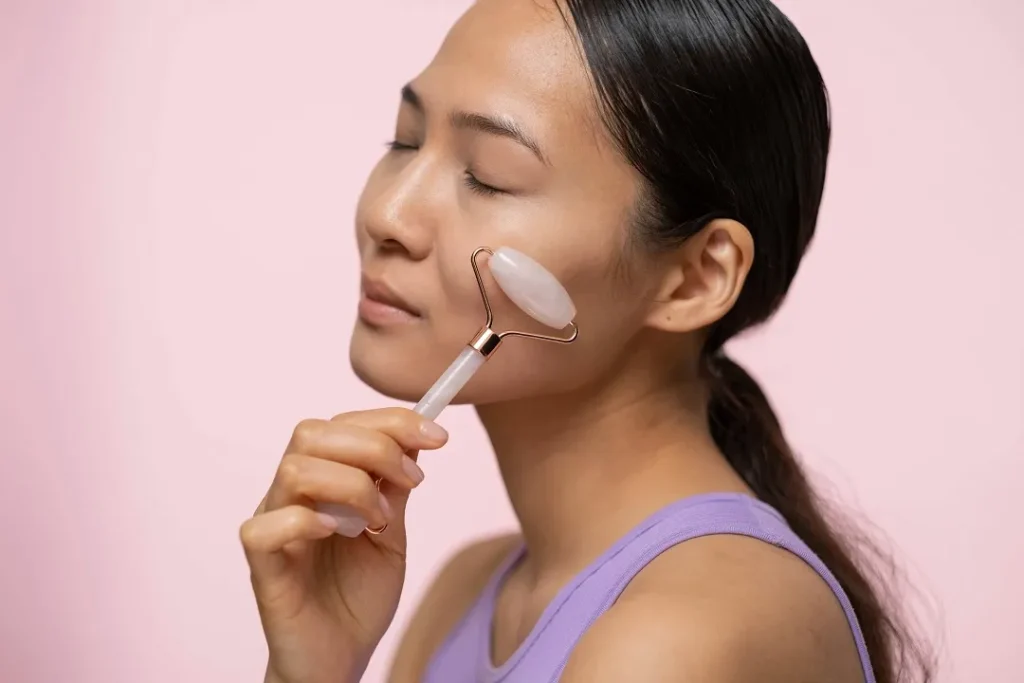
Facial aging is a gradual biological process involving changes in the skin, fat compartments, ligaments, muscles, and underlying bone structure. While aging is inevitable, the visible signs may vary considerably between individuals depending on genetics, ultraviolet exposure, smoking history, hormonal factors, nutrition, and chronic medical conditions.
Many patients become aware of facial aging when they notice that they appear tired, less rested, or older than they feel. These concerns are not always related to wrinkles alone. In clinical practice, aging often reflects a combination of volume loss, skin laxity, soft tissue descent, and skeletal remodeling. Patients considering evaluation by a face lift in Singapore are often seeking to address multiple structural changes simultaneously rather than a single isolated concern.
Understanding the early and progressive signs of facial aging may help individuals make informed decisions regarding prevention, skincare, lifestyle modification, and procedural interventions.
Understanding How Facial Aging Develops
Facial aging affects several anatomical layers simultaneously.Facial aging affects several anatomical layers simultaneously, including the skin, subcutaneous fat, muscles, ligaments, and bone structure. Changes in these layers lead to the visible signs of aging such as wrinkles, volume loss, skin laxity, and changes in overall facial shape.
Skin Changes
Collagen production gradually decreases with age. Studies suggest collagen synthesis may decline by approximately 1% annually after early adulthood. Elastin fibers also become fragmented over time, reducing skin elasticity and resilience.
Common skin-related changes include:
- Fine lines.
- Wrinkles.
- Rough texture.
- Enlarged pores.
- Pigmentation irregularities.
- Reduced hydration.
- Thinning skin.
Ultraviolet radiation contributes substantially to extrinsic aging through oxidative stress and collagen degradation.
Fat Redistribution and Volume Loss
Facial fat compartments shift and diminish with age. Volume loss often occurs in the cheeks, temples, around the eyes, and jawline. This redistribution may contribute to hollowing and sagging.
Ligament and Muscle Changes
Retaining ligaments weaken over time, allowing soft tissue descent. Facial muscles also change in tone and balance, contributing to altered expression patterns and wrinkle formation.
Bone Remodeling
Age-related skeletal remodeling may involve reduced bone volume in the orbital rim, jawline, and midface. These structural changes can affect facial support and contour.
Early Facial Aging Signs Many People Overlook
Some signs of facial aging develop subtly over several years before becoming more noticeable.
Loss of Jawline Definition
One of the earliest structural changes may involve softening of the jawline. Mild jowling or reduced mandibular contour often develops gradually.
Midface Flattening
Patients frequently notice less cheek projection or reduced facial fullness. This can create a tired or sunken appearance even without prominent wrinkles.
Changes Around the Eyes
The periorbital region often shows aging early because the skin is thinner and highly mobile.
Common findings include:
- Under-eye hollows.
- Fine creases.
- Upper eyelid heaviness.
- Puffiness.
- Dark circles.
Nasolabial Fold Deepening
The lines extending from the nose to the mouth may deepen due to volume loss and tissue descent rather than skin wrinkling alone.
Neck Laxity
Early platysmal banding, skin laxity, or accumulation of submental fullness may alter neck contour and overall facial balance.
Screening, Prevention, and Early Detection
Preventive strategies often focus on slowing collagen breakdown and minimizing environmental damage.
Clinical evaluation may include assessment of:
- Skin elasticity.
- Facial symmetry.
- Volume distribution.
- Bone support.
- Dynamic versus static wrinkles.
- Sun damage severity.
Sun Protection
Daily sunscreen use remains one of the most evidence-supported preventive measures. Broad-spectrum SPF 30 or higher may reduce ultraviolet-mediated collagen degradation and pigmentation changes.
Smoking Cessation
Smoking accelerates oxidative stress and impairs collagen synthesis. Long-term smokers often demonstrate earlier wrinkle formation and reduced skin elasticity.
Nutrition and Hydration
Adequate protein intake supports collagen turnover. Antioxidant-rich diets may help reduce oxidative stress, although dietary interventions alone typically cannot reverse structural aging.
Sleep and Stress Management
Chronic sleep deprivation and elevated cortisol levels may influence inflammatory pathways and skin barrier function.
Daily Care and Lifestyle Impact
Facial aging can influence self-perception, social confidence, and emotional well-being. While aging itself is not a medical disease, appearance-related concerns may affect quality of life for some individuals.
Daily skincare routines often focus on maintaining barrier function and minimizing environmental damage.
Evidence-based topical approaches may include:
- Retinoids.
- Sunscreen.
- Vitamin C serums.
- Moisturizers containing ceramides or hyaluronic acid.
- Alpha hydroxy acids.
Prescription retinoids may improve fine wrinkles and collagen production over several months. Clinical studies often report modest improvement after 12 to 24 weeks of consistent use.
Sleep position, repetitive facial movement, alcohol intake, and chronic dehydration may also contribute to visible skin changes over time.
Age-Related and Chronic Conditions Linked to Facial Aging
Certain medical conditions may accelerate visible aging or alter skin quality.
Menopause
Estrogen decline after menopause may reduce collagen density and skin hydration. Some studies suggest women may lose up to 30% of skin collagen within the first five years after menopause.
Diabetes Mellitus
Glycation can stiffen collagen fibers and impair skin repair mechanisms, potentially contributing to accelerated aging.
Chronic Sun Exposure
Photoaging from cumulative ultraviolet exposure may produce pigmentation, telangiectasia, coarse wrinkles, and uneven texture.
Significant Weight Loss
Rapid or substantial weight reduction may contribute to facial volume depletion and skin laxity.
Chronic Stress
Persistent stress may influence inflammatory signaling and oxidative pathways associated with skin aging.
Prescription Versus Over-the-Counter Treatments
Management depends on the degree of aging, patient goals, and underlying anatomical changes.
Over-the-Counter Treatments
Common options include:
- Retinol products.
- Peptide creams.
- Moisturizers.
- Sunscreen.
- Antioxidant serums.
Retinol products may modestly improve fine lines and pigmentation over 3 to 6 months. Improvement percentages vary considerably depending on concentration and adherence.
Moisturizers may temporarily improve skin texture and reduce transepidermal water loss but generally do not correct structural sagging.
Prescription Treatments
Prescription therapies may include:
- Tretinoin.
- Hydroquinone.
- Azelaic acid.
- Higher-strength retinoids.
- Combination topical therapies.
Prescription retinoids often produce greater collagen stimulation compared with over-the-counter formulations. Some studies report measurable wrinkle reduction ranging between 20% and 40% after several months of regular use.
Hydroquinone may reduce pigmentation disorders but requires physician supervision due to possible irritation or rebound pigmentation.
In-Clinic Procedures and Advanced Facial Rejuvenation
When topical management is insufficient, procedural intervention may be considered.
Botulinum Toxin Injections
Botulinum toxin temporarily reduces muscle activity involved in dynamic wrinkle formation. Effects usually begin within several days and often last 3 to 4 months.
Dermal Fillers
Hyaluronic acid fillers may restore volume in the cheeks, temples, lips, and nasolabial region. Longevity varies depending on product type and injection site.
Laser Resurfacing
Fractional lasers create controlled microthermal injury to stimulate collagen remodeling. Recovery time varies depending on treatment depth.
Radiofrequency and Ultrasound Devices
Energy-based devices may stimulate collagen production and mild tissue tightening. Results are often gradual and may require multiple sessions.
Thread Lifts
Thread-based procedures may provide temporary lifting effects in selected patients with mild to moderate tissue laxity.
Surgical Face Lift Procedures
Face lift surgery generally addresses deeper structural aging by repositioning soft tissues and reducing skin laxity. Modern techniques often involve superficial musculoaponeurotic system, or SMAS, manipulation rather than skin tightening alone.
Recovery timelines vary, but swelling and bruising commonly improve over several weeks. Final contour refinement may continue for several months.
What Our Plastic Surgery Clinic Says
In our clinic, many patients initially seek consultation because they feel their appearance no longer reflects their energy level or overall health. We often explain that facial aging rarely results from a single issue. Instead, it usually reflects cumulative changes involving skin quality, volume loss, ligament laxity, and skeletal support.
We generally encourage patients to approach facial rejuvenation conservatively and realistically. Early preventive care and consistent skincare may help delay more advanced changes. For patients considering procedures, individualized assessment remains important because treatment plans often differ significantly depending on facial anatomy and aging patterns.
We also remind patients that natural-looking outcomes usually depend on maintaining facial balance rather than aggressively tightening or overcorrecting isolated features.
Putting This Into Practice
Practical Checklist
- Use broad-spectrum sunscreen daily.
- Avoid smoking when possible.
- Maintain consistent skincare routines.
- Monitor progressive volume loss or sagging.
- Stay hydrated and maintain balanced nutrition.
- Limit excessive ultraviolet exposure.
- Seek evaluation for rapidly changing lesions or pigmentation.
- Consider early assessment if aging signs affect confidence or function.
- Follow post-procedure instructions carefully if undergoing treatment.
- Maintain realistic expectations regarding procedural outcomes.
When to Seek Professional Help
Consider professional assessment if you experience:
- Rapid or asymmetric facial changes.
- Persistent skin laxity affecting confidence.
- Deepening folds or sagging interfering with appearance goals.
- Significant eyelid heaviness affecting vision.
- Skin lesions that bleed, grow, or change color.
- Chronic pigmentation changes.
- Poor response to topical skincare.
- Interest in procedural rejuvenation options.
- Concerns regarding facial asymmetry or volume loss.
Next Steps
Facial aging is a multifactorial process involving changes beneath the skin surface as well as visible skin alterations. Early recognition, preventive skincare, lifestyle modification, and individualized treatment planning may help patients maintain natural facial balance over time. Individuals concerned about progressive aging changes may benefit from consultation with a plastic surgeon or dermatologist to better understand appropriate medical and procedural options.
Commonly Asked Questions
At what age do facial aging signs usually begin?
Early changes may begin in the late twenties or thirties, although severity varies significantly. Sun exposure, smoking, and genetics strongly influence onset and progression.
Can skincare products replace surgical procedures?
Topical skincare may improve texture, hydration, and fine lines but generally cannot reposition deeper tissues or significantly tighten sagging skin.
Are non-surgical treatments permanent?
Most non-surgical treatments are temporary. Botulinum toxin often lasts several months, while fillers may last 6 to 18 months depending on formulation and treatment area.
Does weight loss affect facial aging?
Substantial weight loss may reduce facial fat volume and contribute to a more hollow or lax appearance, particularly in older adults.
How long is recovery after a face lift?
Initial bruising and swelling may improve within 2 to 4 weeks, although residual swelling can persist longer. Final results typically continue evolving over several months.