
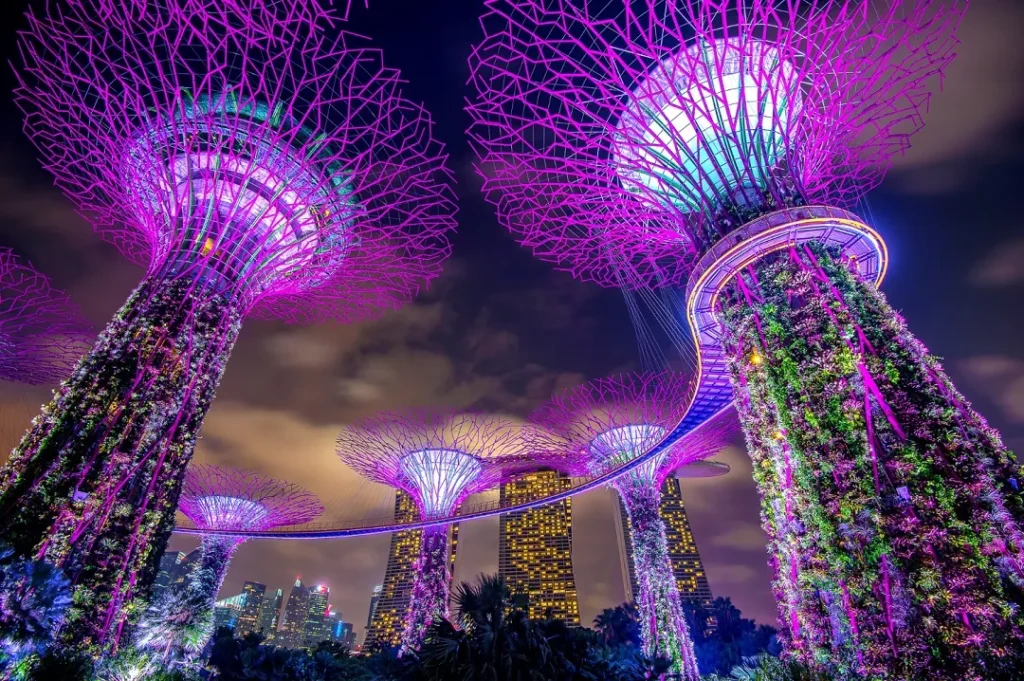
Singapore is known globally for its cultural diversity, shaped by centuries of migration and coexistence. A famous festival in Singapore often reflects shared values of harmony, respect, and collective celebration. Throughout the year, the city-state transforms through colour, ritual, and performance. Streets, temples, mosques, and public spaces become gathering points for communities. These celebrations hold deep social meaning beyond entertainment alone.
This article explores how major celebrations define Singapore’s cultural calendar and national identity. It examines religious, artistic, and civic events that bring people together. Each section highlights historical roots, modern practices, and social significance. Through this exploration, readers gain insight into how festivals continue shaping everyday life in Singapore.
Religious Celebrations as a Famous Festival in Singapore
Religious observances continue to play a central role in cultural expression across Singapore. These events allow communities to uphold long-standing traditions while sharing their beliefs with the wider society. At the same time, they encourage mutual respect and understanding among different faiths, helping preserve cultural heritage within Singapore’s modern, diverse, and forward-looking social landscape.
Chinese New Year as a Famous Festival in Singapore
Chinese New Year marks the lunar calendar’s beginning and carries strong family significance. Preparations usually begin weeks earlier, focusing on renewal and prosperity. Homes are cleaned symbolically, while red decorations dominate neighbourhoods. Reunion dinners remain central to strengthening family ties.
Public areas also reflect festive spirit during this period. Chinatown hosts light displays, cultural shows, and festive markets. Lion dances and temple visits create shared experiences across generations. Despite modern lifestyles, traditional customs remain deeply respected.
Thaipusam and Hindu Devotion
Thaipusam represents one of the most visually striking religious observances in Singapore. Devotees undertake ritual acts demonstrating faith and discipline. The procession typically moves between important temples across the island. Participants often prepare physically and spiritually for months.
Observers often witness silence, chanting, and acts of devotion along the route. The event highlights religious freedom within Singapore’s urban environment. Authorities coordinate closely with religious groups to maintain safety and respect.
Hari Raya Puasa in Singapore’s Muslim Community
Hari Raya Puasa celebrates the end of Ramadan, following a month of fasting and reflection. The occasion focuses on gratitude, forgiveness, and family unity. Mosques fill with worshippers early in the morning. Visits between relatives and neighbours follow throughout the day.
Geylang Serai becomes especially lively during this period. Traditional food, clothing, and decorations fill the area. The celebration encourages generosity and mutual respect across communities.
Cultural Parades as a Famous Festival in Singapore
Public parades reflect Singapore’s ability to celebrate diversity collectively. These events emphasise inclusivity through large-scale participation.
Chingay Parade and Multicultural Expression
The Chingay Parade began as a street procession and evolved into a major cultural showcase. It now features performers from various ethnic backgrounds. Colourful floats, costumes, and music dominate the streets during the event. International groups often participate alongside local performers.
The parade symbolises multicultural harmony in a highly visible form. Spectators from different backgrounds attend together. This shared celebration reinforces social cohesion through artistic expression.
Dragon Boat Festival Traditions
The Dragon Boat Festival commemorates ancient folklore while promoting teamwork and discipline. Races typically take place along rivers and reservoirs. Teams train extensively to synchronise movements and rhythm. Spectators gather to support participants and enjoy festive activities.
Traditional foods, such as rice dumplings, are commonly prepared during this period. The festival balances sporting competition with cultural preservation. Its continued popularity reflects strong community engagement.
Arts and Heritage as a Famous Festival in Singapore
Arts festivals demonstrate Singapore’s creative development alongside cultural heritage. These events provide platforms for both local and international talent.
Singapore International Festival of Arts
The Singapore International Festival of Arts showcases contemporary and traditional performances. Theatre, dance, music, and visual arts feature prominently. Venues range from formal theatres to public spaces across the city. Artists often explore themes relevant to modern society.
The festival contributes significantly to cultural discourse. Audiences experience diverse perspectives through curated programmes. It also supports Singapore’s position as a regional arts hub.
International Film Festival and Creative Exchange
The International Film Festival highlights independent cinema from Asia and beyond. Screenings often include discussions with filmmakers and critics. These conversations deepen audience engagement with storytelling and technique. Emerging filmmakers gain exposure through curated selections.
The event supports creative dialogue within Singapore’s growing film community. It also encourages appreciation of diverse narratives. Cinema becomes a medium for cultural reflection during the festival.
National Observances as a Famous Festival in Singapore
Civic celebrations unite citizens through shared history and identity. These events reinforce national values while commemorating milestones.
National Day and Collective Identity
National Day commemorates Singapore’s independence and progress as a nation. Celebrations usually include a parade, performances, and aerial displays. The event reflects unity, resilience, and shared responsibility. Citizens often dress in national colours to mark the occasion.
Televised segments highlight stories from everyday Singaporeans. These narratives strengthen emotional connection to national achievements. The celebration extends beyond the main event into community activities.
Conclusion: Understanding Every Famous Festival in Singapore
Every famous festival in Singapore reflects layers of history, belief, and shared experience. These celebrations demonstrate how tradition adapts within a modern urban society. Religious observances preserve faith, while cultural parades encourage inclusivity. Arts festivals promote creativity, and national events strengthen collective identity.
Together, these occasions shape social harmony and cultural awareness across generations. They continue evolving while remaining rooted in core values. Staying connected with Singapore’s festivals offers a deeper understanding of its people and traditions. Readers are warmly invited to explore more stories, insights, and cultural facts about Singapore and its vibrant population.
Frequently Asked Questions about Famous Festivals in Singapore
The following frequently asked questions provide additional clarity on cultural celebrations in Singapore. They address common queries related to traditions, social impact, and national significance. This section helps readers better understand how festivals shape everyday life and collective identity. It also complements the main discussion with concise, relevant insights.
What makes a famous festival in Singapore culturally significant?
A famous festival in Singapore holds cultural importance because it reflects shared traditions across diverse communities. These celebrations are shaped by religion, heritage, and national values. Events such as Chinese New Year and Hari Raya Puasa reinforce family bonds and social harmony. Public participation strengthens understanding between different ethnic groups. Cultural continuity remains central despite Singapore’s modern lifestyle.
How do religious festivals influence daily life in Singapore?
Religious festivals influence social rhythms and community interactions across Singapore. Thaipusam and Deepavali highlight devotion, discipline, and spiritual reflection. During these periods, public spaces accommodate religious practices respectfully. Employers and schools often recognise these observances through public holidays. Such integration reflects mutual respect within a multicultural society.
Are cultural parades important to Singapore’s national identity?
Cultural parades play a meaningful role in shaping Singapore’s national identity. The Chingay Parade represents multicultural expression through performance and symbolism. It brings together participants from various backgrounds in a shared public space. These events promote inclusivity while celebrating heritage. Collective participation strengthens social cohesion across generations.
How do arts festivals contribute to Singapore’s global reputation?
Arts festivals enhance Singapore’s reputation as a regional cultural hub. The Singapore International Festival of Arts showcases local and international talent. The International Film Festival encourages creative exchange through independent cinema. These platforms support artistic innovation and cultural dialogue. They also attract global audiences while nurturing local creative communities.
Why is National Day considered a unifying celebration?
National Day symbolises shared history and collective progress in Singapore. The celebration highlights milestones achieved since independence. Public performances and broadcasts reinforce national values and unity. Community events extend participation beyond the main parade. This shared experience strengthens emotional connection among citizens.