
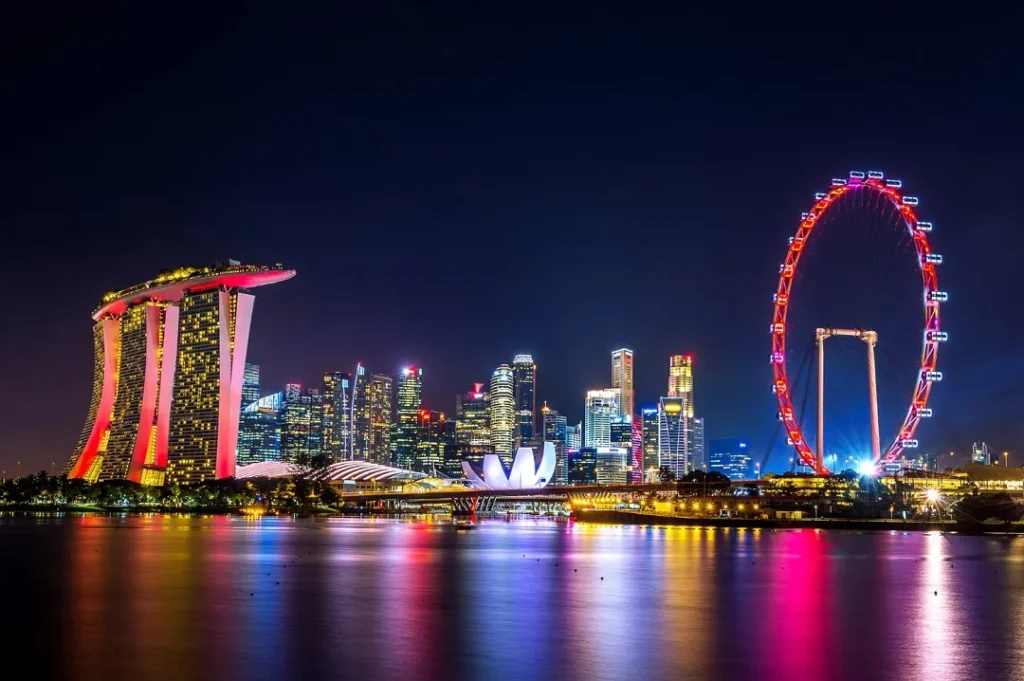
A well-prepared Singapore travel guide is essential for anyone planning to visit this modern city-state in Southeast Asia. Known for its efficiency, safety, multicultural identity, and world-class infrastructure, Singapore attracts millions of visitors each year. Despite its small size, the country offers a rich blend of urban attractions, cultural districts, nature reserves, and a globally celebrated food scene. Understanding how long to stay, when to visit, what to budget, and which rules to follow can significantly improve your travel experience.
Singapore is often described as a city where tradition and innovation coexist seamlessly. Skyscrapers stand alongside heritage shophouses, while street food stalls operate near Michelin-starred restaurants. This balance makes Singapore appealing to both first-time travellers and repeat visitors seeking deeper cultural experiences.
How Many Days in Singapore Is Enough?
One of the most common questions travellers ask is, how many days in Singapore is enough to see the highlights. For most visitors, three to four days is considered ideal. This duration allows enough time to explore major attractions such as Marina Bay, Gardens by the Bay, Sentosa Island, and cultural neighbourhoods like Chinatown and Little India without feeling rushed.
Travellers with limited time can experience Singapore in two days by focusing on key landmarks and food experiences. However, those who prefer a relaxed pace or wish to explore nature reserves, museums, shopping districts, and nearby islands may find five to seven days more suitable. The compact size of Singapore makes it easy to move around, allowing visitors to maximise their time efficiently.
Which Month Is the Best to Travel to Singapore?
Deciding which month is the best to travel to Singapore depends on personal preferences and travel goals. Singapore has a tropical climate with warm temperatures throughout the year, so weather differences are mainly influenced by rainfall rather than temperature changes.
The period from February to April is often considered one of the best times to visit, as rainfall is generally lower and outdoor activities are more comfortable. December to January can also be popular due to festive events and holiday celebrations, although rainfall may be higher. Visitors interested in shopping may enjoy travelling during major sales periods, while those drawn to cultural experiences might plan their visit around festivals such as Chinese New Year or Deepavali.
What Food Cannot Be Brought into Singapore?
Understanding what food cannot be brought into Singapore is important to avoid penalties at customs. Singapore enforces strict regulations on food imports to protect public health and agriculture. Items such as fresh fruits, fresh meat, cooked food, and dairy products are generally restricted unless accompanied by proper permits.
Certain packaged foods may be allowed, but travellers are required to declare them upon arrival. Chewing gum is also tightly controlled, with limited exceptions for medicinal purposes. Visitors should always check official guidelines before packing food items, as failure to declare restricted goods can result in fines or further action.
What Are the Strict Rules in Singapore for Tourists?
Many first-time visitors ask, what are the strict rules in Singapore for tourists, as the country is known for its strong emphasis on law and order. Singapore’s rules are designed to maintain cleanliness, safety, and public harmony. Common regulations include bans on littering, smoking in non-designated areas, vandalism, and jaywalking.
Tourists are also expected to respect local customs, queue etiquette, and public behaviour standards. Drug-related offences carry severe penalties, and ignorance of the law is not accepted as an excuse. While these rules may seem strict, they contribute to Singapore’s reputation as one of the safest and cleanest destinations in the world.
How Much Money to Settle in Singapore?
Another frequently asked question is how much money to settle in Singapore, especially for travellers considering longer stays or relocation. For short-term visitors, daily expenses depend largely on lifestyle choices. Budget travellers who rely on public transport and hawker centres can manage comfortably on a moderate daily budget.
For those planning to settle or stay long-term, costs increase significantly due to accommodation, healthcare, and education expenses. Rent is typically the largest expense, particularly in central areas. A comfortable monthly budget should account for housing, food, transport, utilities, and insurance. While salaries are generally higher than in many neighbouring countries, careful financial planning is essential.
Is Singapore Expensive for Foreigners?
The question is Singapore expensive for foreigners has a nuanced answer. Singapore is often ranked among the most expensive cities globally, particularly in terms of housing and private car ownership. However, daily living costs can be managed effectively with informed choices.
Public transport is affordable and efficient, local food options are reasonably priced, and many attractions offer free or low-cost entry. Foreigners who adopt local lifestyles, such as eating at hawker centres and using public transport, often find Singapore more affordable than expected. Luxury dining, private healthcare, and international schooling, however, can significantly increase expenses.
Getting Around Singapore as a Tourist
A comprehensive Singapore travel guide would be incomplete without addressing transportation. Singapore’s public transport system is highly efficient, clean, and tourist-friendly. The MRT network connects most major attractions, while buses cover areas beyond train lines. Taxis and ride-hailing services are widely available and reliable.
Tourists rarely need to rent cars, as traffic regulations and parking costs can be restrictive. Walking is also enjoyable in many districts due to well-maintained sidewalks and clear signage. This accessibility allows visitors to explore the city comfortably and independently.
Food Culture and Dining in Singapore
Food plays a central role in any Singapore travel guide because dining is deeply embedded in local culture. Singapore is famous for its hawker centres, where visitors can enjoy diverse cuisines influenced by Chinese, Malay, Indian, and Western traditions. These food centres offer high-quality meals at affordable prices, making them popular among both locals and tourists.
From casual street food to fine dining, Singapore caters to all tastes and budgets. Food safety standards are high, and menus often accommodate various dietary preferences, including halal and vegetarian options. Exploring local food is often one of the most memorable aspects of visiting Singapore.
Safety, Cleanliness, and Travel Comfort
Singapore consistently ranks as one of the safest destinations in the world. Low crime rates, strict enforcement of laws, and efficient emergency services provide travellers with peace of mind. Cleanliness is a national priority, and public spaces are well maintained.
Tourists benefit from reliable infrastructure, multilingual signage, and widespread English usage, making navigation and communication easy. These factors combine to create a comfortable and stress-free travel environment.
Final Thoughts
This Singapore travel guide highlights why the country continues to attract visitors from around the world. From deciding how many days to stay and choosing the best travel month to understanding rules, costs, and food restrictions, preparation is key to enjoying Singapore fully.
Despite its reputation for being expensive and strict, Singapore offers exceptional value in terms of safety, convenience, cultural diversity, and overall travel experience. With the right planning and mindset, visitors can enjoy a rewarding journey that blends modern city life with rich cultural heritage.
Frequently Asked Questions
How many days in Singapore is enough for first-time visitors?
Three to four days is ideal for first-time visitors to explore major attractions, food culture, and cultural districts without rushing.
Which month is the best to travel to Singapore?
February to April is often preferred due to lower rainfall, although Singapore can be visited comfortably throughout the year.
What food cannot be brought into Singapore?
Fresh fruits, meat, dairy products, and cooked food are generally restricted and must be declared if carried.
What are the strict rules in Singapore for tourists?
Tourists must avoid littering, smoking in restricted areas, jaywalking, and any drug-related activities.
Is Singapore expensive for foreigners?
Singapore can be expensive depending on lifestyle choices, but public transport and local food are affordable.