
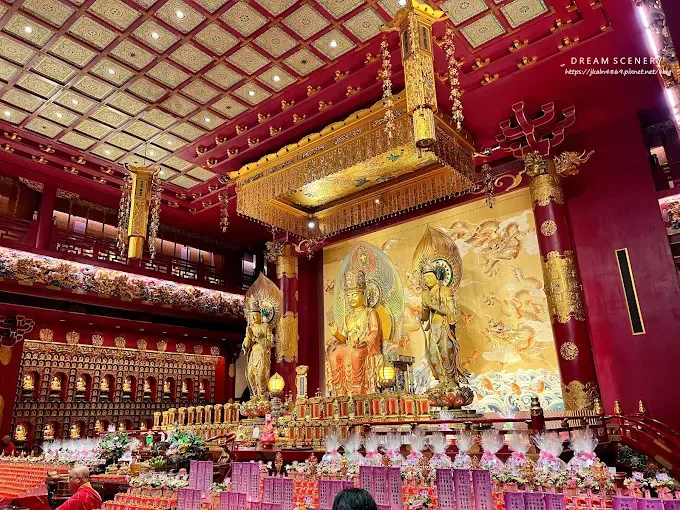
The Buddha Tooth Relic Temple and Museum Singapore is one of the most iconic spiritual and cultural landmarks in the country. Located in the heart of Chinatown, this majestic red-and-gold complex attracts visitors from all over the world who are curious about its religious importance, architectural beauty, and historical significance. More than just a tourist attraction, the temple is a living centre of Buddhist practice, education, and devotion.
Whether you are visiting Singapore for the first time or exploring its cultural heritage, the Buddha Tooth Relic Temple and Museum Singapore offers a meaningful experience that blends faith, history, and art into one powerful destination.
To help you better understand the Buddha Tooth Relic Temple and Museum Singapore, here are answers to some of the most frequently asked questions by visitors.
What Is Special About Buddha Tooth Relic Temple?
What makes the Buddha Tooth Relic Temple truly special is its connection to a sacred relic believed to belong to the historical Buddha. The temple was built to house and honour this relic, which is displayed in a grand stupa on the upper floors of the building. The architecture of the temple is inspired by Tang Dynasty Chinese design, giving it a timeless and dignified appearance.
Inside, visitors will find prayer halls, meditation spaces, museum galleries, and sacred statues that tell the story of Buddhism across Asia. The atmosphere is peaceful and respectful, even in the middle of a busy urban district. This contrast between modern city life and spiritual calm is one of the reasons why the Buddha Tooth Relic Temple and Museum Singapore feels so unique.
Where Is the Relic of the Buddha Tooth?
Many people ask, where is the relic of the Buddha tooth? The relic is enshrined in a massive golden stupa on the fourth floor of the temple. It is placed in a specially designed chamber that symbolises purity and reverence. Visitors can observe the stupa from a distance and take part in quiet reflection or prayer.
The museum areas within the building also explain how Buddhist relics were historically preserved and why they are so important in Buddhist traditions. The presence of the relic is what gives the temple its deep spiritual meaning beyond its architectural beauty.
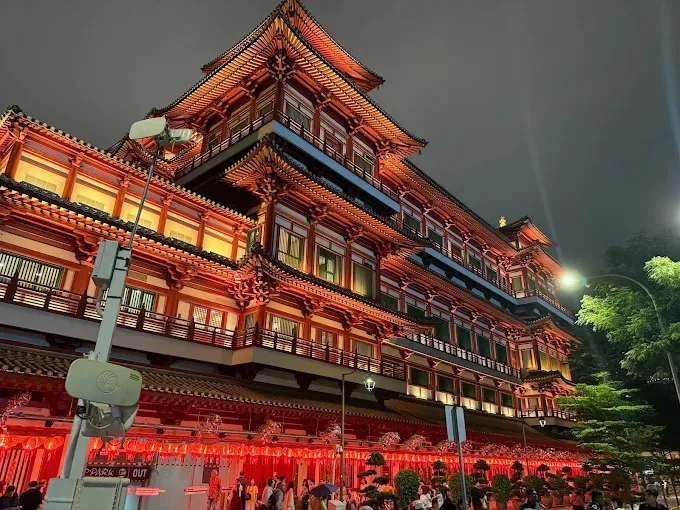
Is Singapore Buddha Tooth Relic Real?
A common question is, is Singapore Buddha Tooth Relic real? According to the temple’s religious tradition, the relic is believed to be authentic. However, as with many ancient relics around the world, historical verification is difficult. What matters most to practitioners is not scientific proof but the symbolic and spiritual value the relic holds.
For Buddhists, the relic represents the living presence of the Buddha’s teachings. Whether one views it through a religious or cultural lens, the Buddha Tooth Relic Temple and Museum Singapore stands as a place of devotion, learning, and respect.
Can You Visit Buddha Tooth Relic Temple?
Yes, you can visit Buddha Tooth Relic Temple, and it is open to the public throughout the week. Visitors of all backgrounds are welcome, regardless of religion. The temple is both a place of worship and a museum, which makes it suitable for tourists, students, and spiritual seekers alike.
The museum floors showcase Buddhist art, scriptures, and historical displays that explain the spread of Buddhism across Asia. Meanwhile, the prayer halls are active spaces where monks and devotees practice daily rituals.
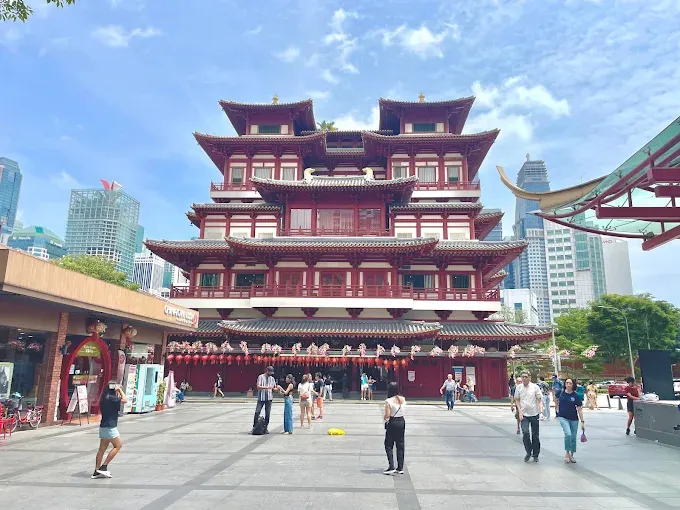
Is Tooth Relic Temple Worth Visiting?
Many travellers ask, is Tooth Relic Temple worth visiting? The answer is yes, especially if you are interested in culture, history, and architecture. Even for those who are not religious, the temple offers insight into Buddhist philosophy and Singapore’s multicultural identity.
The craftsmanship, peaceful atmosphere, and educational exhibits make the visit both inspiring and informative. It is also free to enter, which adds to its appeal as one of the most accessible attractions in Singapore.
What to Wear to Buddha Tooth Relic Temple?
Visitors often wonder what to wear to Buddha Tooth Relic Temple. Since it is an active place of worship, modest clothing is important. Shoulders and knees should be covered, and overly revealing outfits should be avoided. Comfortable clothing that respects the religious setting is always appropriate.
By dressing respectfully, visitors show consideration for the cultural and spiritual significance of the space.
Why Is Buddha’s Tooth Still Growing?
One of the more mysterious questions people ask is, why is Buddha’s tooth still growing? This belief comes from symbolic interpretations within Buddhist tradition. Some devotees say the relic appears to change over time, which they see as a sign of spiritual vitality rather than physical growth.
From a cultural perspective, such stories reflect the deep reverence people have for sacred relics. They are meant to inspire faith, reflection, and connection to the Buddha’s teachings rather than be understood in a scientific sense.
The Museum Experience Inside the Temple
The museum within the Buddha Tooth Relic Temple and Museum Singapore is an important part of the experience. It explains the life of the Buddha, the development of Buddhist art, and the meaning behind rituals and symbols. Visitors can learn how relics were transported, protected, and honoured across centuries.
This educational aspect makes the temple more than a visual attraction. It becomes a space for learning and personal reflection.
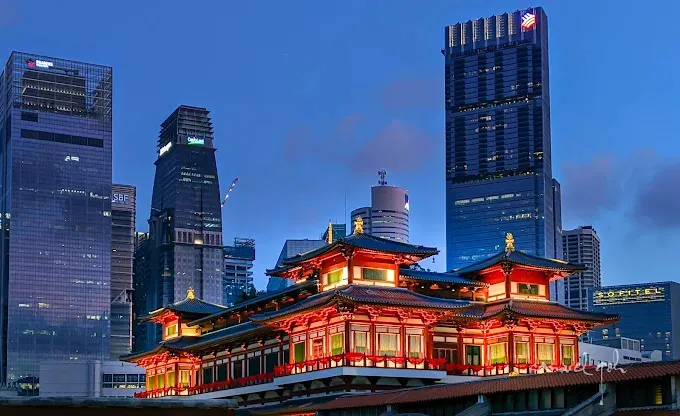
Cultural and Spiritual Importance in Singapore
The temple plays a major role in Singapore’s cultural landscape. It represents the strong presence of Buddhism in the country and reflects Singapore’s respect for religious diversity. Festivals, chanting sessions, and community events are often held here, bringing people together through shared values of compassion and mindfulness.
The Buddha Tooth Relic Temple and Museum Singapore is not only about the past. It is also a living part of modern Singapore’s spiritual identity.
Conclusion
The Buddha Tooth Relic Temple and Museum Singapore is far more than a sightseeing stop. It is a place where history, spirituality, art, and community come together in a powerful way. From the sacred relic enshrined in gold to the detailed museum exhibits and peaceful prayer halls, every part of the temple invites reflection and respect.
Whether you are asking, “Can you visit Buddha Tooth Relic Temple?” or “Is Tooth Relic Temple worth visiting?”, the answer becomes clear the moment you step inside. In a fast-paced city, this temple offers calm, meaning, and connection. Visiting the Buddha Tooth Relic Temple and Museum Singapore is not just about seeing something beautiful, but about experiencing something deeply human and timeless.
Frequently Asked Questions
Is the Singapore Buddha Tooth Relic real?
The relic is believed by Buddhists to be authentic, though historical verification is difficult.
Can you visit Buddha Tooth Relic Temple?
Yes, the temple is open to the public and welcomes visitors from all backgrounds.
What is special about the Buddha Tooth Relic Temple?
It houses a sacred relic, features Tang Dynasty architecture, and includes a Buddhist museum.
Where is the relic of the Buddha tooth?
The relic is enshrined in a golden stupa on the upper floors of the temple.
Is Tooth Relic Temple worth visiting?
Yes, it offers cultural, historical, and spiritual value for all types of visitors.
What to wear to Buddha Tooth Relic Temple?
Wear modest clothing that covers shoulders and knees.
Why is Buddha’s tooth still growing?
This belief is symbolic and reflects spiritual reverence rather than physical change.
Is the museum inside the temple free to enter?
Yes, entry to the temple and museum is free.