
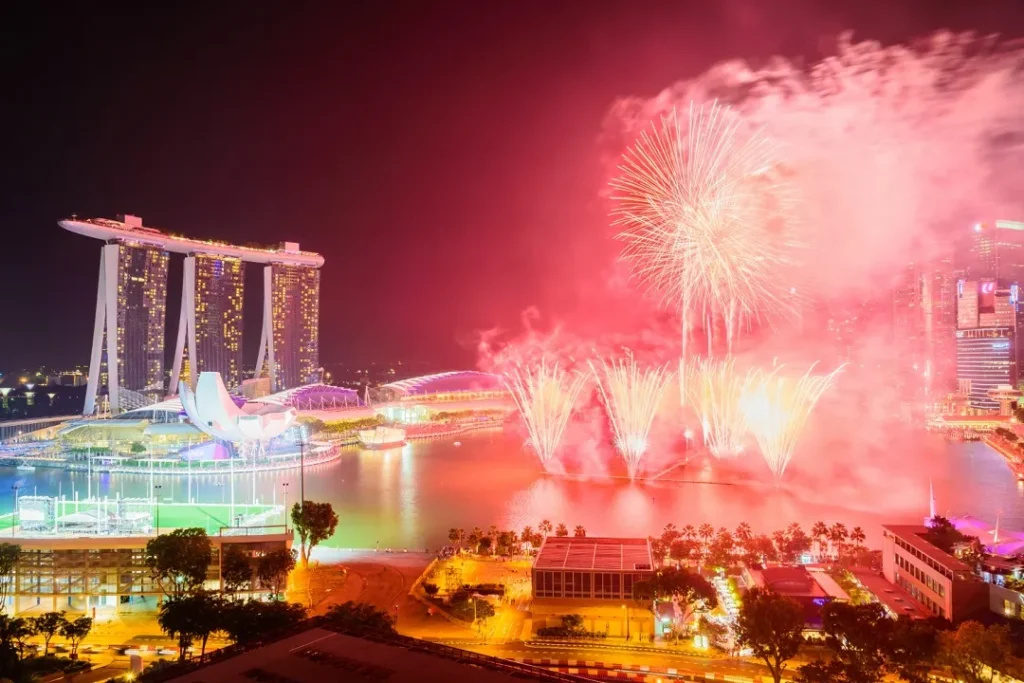
Chinese New Year is one of the most important and vibrant festivals in Singapore. Celebrated by locals and visitors alike, it marks the beginning of the lunar calendar and is a time for family reunions, cultural traditions, festive food, and city-wide celebrations. With Singapore’s strong Chinese heritage, the festivities are rich, colourful, and deeply rooted in tradition.
This comprehensive guide explains how to celebrate Chinese New Year in Singapore, covering traditions, food, customs, and major activities. Written in a professional and informative tone, this article is ideal for travel blogs, cultural guides, lifestyle platforms, and informational websites.
When is the Chinese New Year?
Chinese New Year does not fall on a fixed date because it follows the traditional lunar calendar rather than the Gregorian calendar. This calendar is based on the cycles of the moon, meaning the new year begins on the first new moon between 21 January and 20 February. As a result, the exact date shifts every year, adding to the festival’s unique rhythm and anticipation.
Each Chinese New Year also marks the arrival of a new zodiac sign, combined with one of the five elements: Wood, Fire, Earth, Metal, or Water. The Year of the Wood Dragon, most recently celebrated in 2024, is considered especially powerful and auspicious. Dragons symbolise strength, confidence, ambition, and good fortune, while the Wood element adds themes of growth, creativity, and renewal.
Together, the Wood Dragon represents progress, bold ideas, and long-term success. It is seen as a time for setting big goals, embracing change, and building strong foundations for the future. This combination is often associated with innovation, leadership, and positive transformation, making it one of the most highly anticipated years in the Chinese zodiac cycle.
Chinese New Year in Singapore 2027: What to Expect
Chinese New Year in Singapore 2026 is expected to take place in late January or early February, following the lunar calendar. Traditionally, the celebrations last for 15 days, beginning on the first day of the lunar year and concluding with the Lantern Festival.
Throughout this period, Singapore comes alive with festive decorations, lantern displays, and vibrant performances across neighbourhoods, shopping districts, and cultural precincts. Moreover, many businesses, schools, and offices may close or operate on limited hours during the first two days of the festival.
Understanding Chinese New Year Customs in Singapore
Before joining the celebrations, it is helpful to understand the Chinese New Year customs in Singapore, as many of these traditions are deeply rooted in values of prosperity, respect, and family unity. From thorough spring cleaning and festive home decorations to reunion dinners and the giving of red packets, each custom carries symbolic meaning. Together, these practices strengthen family bonds, honour cultural heritage, and set positive intentions for the year ahead.
Reunion Dinner
The reunion dinner, celebrated on Chinese New Year’s Eve, is the most significant meal of the year. It brings families together to share a generous feast that represents unity, harmony, and prosperity. More than just a meal, it is a meaningful tradition where loved ones reconnect, reflect on the past year, and welcome good fortune for the year ahead through food that symbolises abundance and togetherness.
Red Packets (Ang Bao)
During festive celebrations, married adults present red packets filled with money to children and unmarried relatives. This meaningful tradition symbolises good luck, blessings, and protection from negative energy. Beyond the monetary value, red packets represent love, generosity, and well-wishes for health, happiness, and prosperity in the year ahead.
Spring Cleaning
Before the new year begins, homes are carefully and thoroughly cleaned to sweep away bad luck from the past year. This tradition symbolises a fresh start and creates space for positive energy, good fortune, and happiness. A clean home is believed to attract prosperity, harmony, and new opportunities for the year ahead.
Auspicious Greetings
During the festive season, people exchange common greetings such as “Gong Xi Fa Cai” to express good wishes. These greetings symbolise hopes for prosperity, success, happiness, and good fortune, strengthening relationships and spreading positive energy among family, friends, colleagues, and the wider community.
Chinese New Year Activities & Events in Singapore
Singapore hosts a wide range of Chinese New Year activities and events that showcase its cultural diversity and festive spirit.
Chinatown Chinese New Year Celebrations
Chinatown is the heart of Chinese New Year celebrations in Singapore. The streets are adorned with lanterns, decorations, and zodiac-themed displays.
Highlights include:
- Festive street bazaars.
- Cultural performances.
- Traditional handicrafts and snacks.
River Hongbao
River Hongbao is a major annual festival held around Marina Bay to celebrate Chinese New Year. The event is known for its impressive giant lantern displays, creating a vibrant and festive atmosphere along the waterfront. Visitors can enjoy live stage performances, cultural showcases, dazzling fireworks, and a wide range of family-friendly activities, making it a popular attraction for both locals and tourists each year.
Chingay Parade
The Chingay Parade is one of Asia’s largest and most spectacular street parades, held annually in Singapore. It showcases vibrant floats, energetic dancers, and performers from diverse cultural backgrounds, creating a visually stunning celebration. More than just entertainment, the parade represents unity, inclusiveness, and harmony, highlighting Singapore’s multicultural identity and its commitment to bringing different communities together through shared festivities.
Temple Visits
During the festive season, many locals visit temples such as the Buddha Tooth Relic Temple and Thian Hock Keng Temple to offer prayers and give thanks. These visits are made to seek blessings for good health, prosperity, and success in the year ahead. The tradition reflects deep cultural and spiritual values, as people begin the new year with hope, gratitude, and positive intentions.
Traditional Cultural Experiences
Many people visit temples such as Thian Hock Keng to offer prayers for health, success, and prosperity in the new year. Shopping malls like ION Orchard and Jewel Changi host lion dance performances believed to bring good luck. At Gardens by the Bay, the annual Spring Blossoms floral display showcases stunning Chinese-themed gardens and symbolic flowers.
Home Decoration for Good Fortune
Homes are decorated with red banners, lanterns, paper cuttings, and couplets with auspicious messages. Pineapple plants are popular because “ong lai” (Hokkien for pineapple) sounds like “prosperity arrives,” symbolizing wealth and success.
Chinese New Year in Singapore Food Traditions
Food plays a central role in Chinese New Year in Singapore food culture. Each dish carries symbolic meaning tied to prosperity, longevity, and happiness.
Yu Sheng (Prosperity Toss)
During festive celebrations, people enjoy Yu Sheng, a traditional raw fish salad. Participants toss it high in the air while reciting auspicious phrases, believing that the higher they toss it, the greater their luck. This lively ritual symbolises growth, wealth, success, and the sharing of good fortune among everyone present.
Pineapple Tarts
Pineapple tarts are a beloved festive snack, especially during celebrations. In Chinese culture, pineapples symbolise good fortune and prosperity, making these sweet treats a meaningful part of the season. Their rich flavour and symbolic meaning make pineapple tarts a favourite gift and snack shared with family and friends.
Bak Kwa
Bak kwa is a popular festive delicacy known for its sweet and savoury barbecued flavour. It is commonly exchanged as a gift during celebrations, symbolising warmth, generosity, and good wishes. Loved for its rich taste and aroma, bak kwa remains a must-have treat shared among family and friends.
Dumplings and Noodles
Dumplings and long noodles hold significant symbolism in traditional celebrations. Shaped like ancient gold ingots, dumplings represent wealth and prosperity, bringing good fortune to those who enjoy them. Long noodles, on the other hand, signify longevity and good health. Their extended length embodies wishes for a long, fulfilling life, making these foods meaningful staples in festive meals and cultural traditions.
How Locals Celebrate Chinese New Year in Singapore
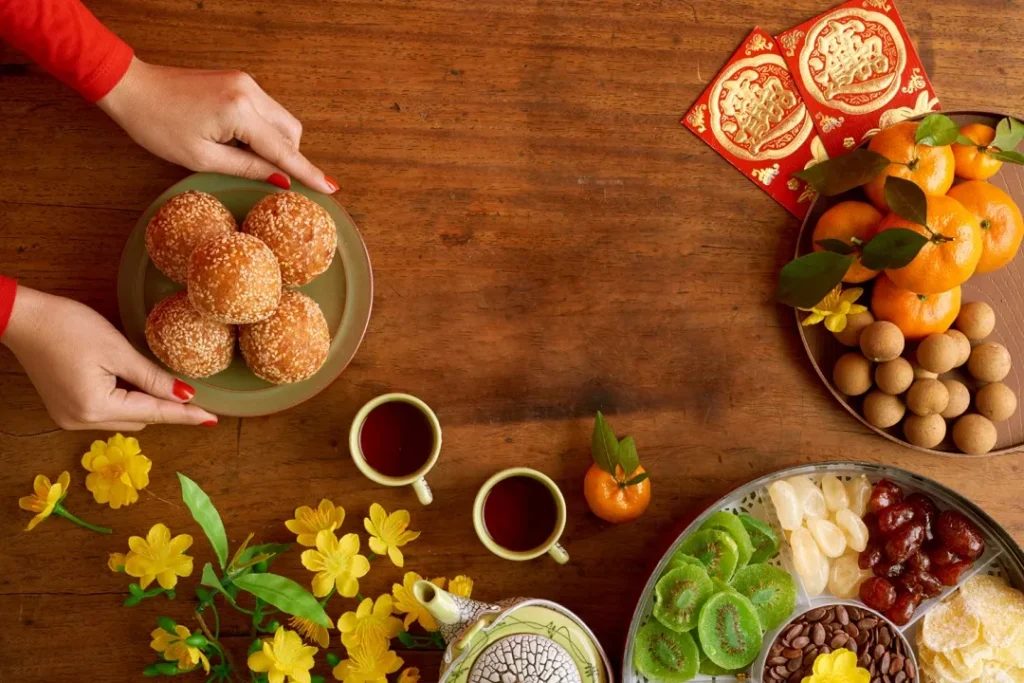
Locals in Singapore celebrate Chinese New Year with vibrant traditions and family gatherings. Homes are thoroughly cleaned and decorated with red lanterns and couplets symbolising prosperity. Families enjoy reunion dinners, exchange mandarin oranges, and give red packets (ang bao). Many visit temples, watch lion dances, and explore festive street markets in Chinatown, creating a joyful, community-wide celebration.
Visiting Relatives and Friends
During the first few days of Chinese New Year, families visit relatives and friends to strengthen relationships. These visits are filled with warm greetings and heartfelt well wishes for prosperity, happiness, and good health, reinforcing family bonds and spreading joy throughout the festive period.
Wearing New Clothes
Wearing new clothes during festive celebrations symbolises a fresh start and new beginnings. Red and other bright colours are especially popular, as they represent good luck, happiness, and positive energy. This tradition reflects hopes for prosperity, success, and a joyful year ahead.
Avoiding Taboos
During traditional celebrations, certain actions are avoided on the first day to prevent bad luck. Activities like sweeping the floor or using negative language are believed to drive away good fortune. By observing these customs, families aim to protect prosperity, harmony, and positive energy for the year ahead.
Tips for Tourists Celebrating Chinese New Year in Singapore
- Plan ahead, as hotels and attractions may be fully booked.
- Expect crowds at major events and shopping districts.
- Check public transport schedules during public holidays.
- Respect cultural customs when visiting temples or family homes.
How long is the Chinese New Year holiday in Singapore 2027?
In Singapore, Chinese New Year (CNY) 2027 will be observed as a two-day public holiday on Tuesday, 17 February, and Wednesday, 18 February. By taking leave on Monday, 16 February, residents can enjoy an extended long weekend. Although the official holiday period is brief, the festive spirit endures much longer. In fact, celebrations begin well before the holiday and continue for several days, especially in vibrant areas such as Chinatown. During this time, streets come alive with decorations, cultural performances, and markets, and the festivities often extend until the Lantern Festival, maintaining a joyful atmosphere throughout the city.
Final Thoughts
Learning how to celebrate Chinese New Year in Singapore offers a meaningful way to experience the country’s cultural heritage. From understanding Chinese New Year customs in Singapore to enjoying festive food and attending large-scale events, the celebration blends tradition with modern city life. Whether you are a local or a visitor, Chinese New Year in Singapore 2027 promises a memorable and culturally rich experience.
FAQs About Chinese New Year in Singapore
Is Chinese New Year a public holiday in Singapore?
Yes. The first two days of Chinese New Year are official public holidays in Singapore.
Where is the best place to experience Chinese New Year celebrations?
Chinatown, Marina Bay, and major shopping districts offer the most vibrant celebrations.
What food should I try during Chinese New Year in Singapore?
Yu Sheng, pineapple tarts, bak kwa, dumplings, and festive cakes are must-try items.
Are shops and restaurants open during Chinese New Year?
Some businesses close on the first day, but many shopping malls and restaurants reopen quickly.