
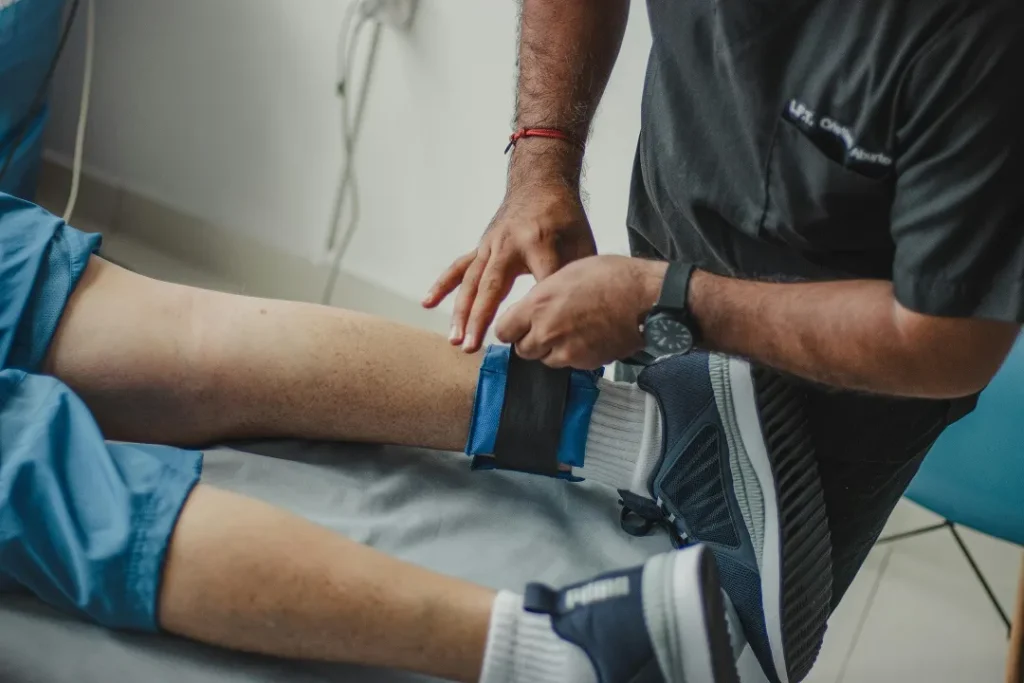
Tendon injuries are often associated with athletes, repetitive manual work, or sudden trauma. However, tendon degeneration and inflammation can also develop gradually during everyday activities such as typing, lifting groceries, gardening, or prolonged smartphone use. As people age, tendons tend to lose elasticity, hydration, and tensile strength. Blood supply to certain tendons also decreases over time, which may slow healing and increase susceptibility to microscopic injury.
In orthopaedic practice, many patients delay assessment because early symptoms may appear mild or inconsistent. A small degree of stiffness, discomfort during gripping, or temporary weakness may not initially interfere with daily function. Over weeks or months, however, untreated tendon disorders can progress into chronic pain, tendon tears, reduced mobility, or irreversible structural damage. In some cases, evaluation by a hand surgeon in Singapore may become necessary when conservative management no longer controls symptoms.
Understanding Tendon Injuries
Tendons are fibrous connective tissues that attach muscle to bone. Their primary role is to transfer mechanical force during movement. Common tendon injuries include tendinitis, tendinosis, partial tendon tears, and tendon rupture.
Tendinitis generally refers to acute inflammation, while tendinosis usually describes chronic degenerative tendon changes involving collagen disruption, neovascularization, and reduced structural organization. Modern imaging studies suggest that many chronic tendon conditions contain relatively little inflammatory tissue compared with degenerative tissue.
Common areas affected include:
- Rotator cuff tendons in the shoulder.
- Flexor and extensor tendons of the hand and wrist.
- Achilles tendon.
- Patellar tendon.
- Elbow tendons involved in lateral or medial epicondylitis.
Risk factors may include repetitive strain, diabetes mellitus, smoking, obesity, inflammatory arthritis, corticosteroid exposure, and advancing age.
Early Signs Many People Dismiss
Early tendon injuries are often subtle. Patients may continue normal activities despite progressive tendon overload.
Morning Stiffness
One common early sign is stiffness lasting 10 to 30 minutes after waking. Tendons subjected to chronic microtrauma may become less tolerant to sudden movement after periods of inactivity.
Pain During Specific Motions
Tendon pain is frequently movement-specific rather than constant. For example:
- Pain while opening jars.
- Discomfort during lifting.
- Pain when gripping objects.
- Weakness during pinching motions.
- Clicking or catching sensations in the fingers.
Pain may initially occur only during activity but can later persist at rest.
Reduced Grip Strength
Patients sometimes notice difficulty carrying bags, turning keys, or sustaining grip pressure. Mild tendon dysfunction may impair force transfer before obvious pain develops.
Localized Swelling or Thickening
Inflamed or degenerative tendons can appear thickened. Some individuals develop nodules or tenderness along tendon pathways.
Delayed Recovery After Activity
Discomfort that lasts more than 24 to 48 hours after repetitive activity may suggest early tendon overload rather than temporary muscle fatigue.
Screening, Prevention, and Early Detection
Early recognition may reduce the likelihood of chronic degeneration or tendon rupture.
Clinical evaluation often includes:
- Physical examination.
- Strength testing.
- Range-of-motion assessment.
- Ultrasound imaging.
- Magnetic resonance imaging in selected cases.
Musculoskeletal ultrasound can identify tendon thickening, partial tears, fluid accumulation, and abnormal vascularity. MRI may provide more detailed structural assessment in complex cases.
Preventive strategies often focus on load management. Tendons generally adapt better to gradual increases in mechanical demand rather than sudden spikes in activity.
Evidence-based prevention measures may include:
- Progressive strengthening programs.
- Ergonomic modifications.
- Regular stretching.
- Proper lifting technique.
- Scheduled rest periods during repetitive work.
- Glycemic control in diabetic patients.
Several studies suggest eccentric strengthening exercises may improve tendon remodeling in chronic tendinopathy. Improvements are often observed over 6 to 12 weeks when exercises are performed consistently.
Daily Care and Lifestyle Impact
Tendon disorders may affect sleep quality, occupational performance, and daily independence.
Individuals with hand or wrist tendon injuries may struggle with:
- Typing.
- Cooking.
- Writing.
- Driving.
- Carrying objects.
- Household chores.
Lifestyle factors also influence tendon health. Smoking may impair tendon healing through reduced vascular supply and altered collagen synthesis. Obesity may increase systemic inflammatory signaling and mechanical load.
Dietary protein intake may support collagen turnover, although evidence regarding supplementation remains mixed. Vitamin C, copper, manganese, and zinc participate in collagen synthesis pathways, but supplementation should typically be individualized rather than routinely prescribed.
Regular low-impact physical activity often helps maintain tendon mobility and circulation. However, excessive rest may contribute to deconditioning and stiffness.
Age-Related and Chronic Conditions Linked to Tendon Injury
Tendon disorders become increasingly common with aging due to cumulative mechanical stress and age-related collagen changes.
Diabetes Mellitus
Patients with diabetes may develop glycation-related collagen stiffening. This can impair tendon elasticity and healing capacity. Trigger finger and adhesive capsulitis are more common in diabetic populations.
Rheumatoid Arthritis
Inflammatory arthritis can damage tendon sheaths and supporting structures. Chronic inflammation may increase rupture risk in severe cases.
Osteoarthritis
Joint degeneration may alter movement mechanics, increasing compensatory stress on nearby tendons.
Chronic Kidney Disease
Mineral metabolism abnormalities and systemic inflammation may contribute to tendon fragility.
Fluoroquinolone Exposure
Certain antibiotics, particularly fluoroquinolones, have been associated with increased risk of Achilles tendon injury and rupture. Risk appears higher among older adults and corticosteroid users.
Prescription Versus Over-the-Counter Treatments
Treatment depends on severity, tendon location, and duration of symptoms.
Over-the-Counter Treatments
Common options include:
- Acetaminophen.
- Topical diclofenac.
- Ibuprofen.
- Naproxen.
- Compression supports.
Topical NSAIDs may reduce localized pain with lower systemic exposure compared with oral medications. Some studies suggest topical diclofenac may reduce pain scores by approximately 40% to 50% in mild musculoskeletal conditions over several weeks.
However, over-the-counter treatments usually do not reverse structural tendon degeneration.
Prescription Treatments
Prescription management may include:
- Stronger anti-inflammatory medications.
- Targeted physiotherapy protocols.
- Custom splinting.
- Corticosteroid injections.
- Platelet-rich plasma injections.
Corticosteroid injections may provide short-term pain reduction, sometimes within days. However, repeated injections may weaken tendon tissue and increase rupture risk in certain locations.
Platelet-rich plasma therapy remains under investigation. Some studies report modest functional improvement at 3 to 6 months, while others show limited benefit compared with structured exercise therapy.
Physiotherapy remains one of the most consistently supported interventions for chronic tendinopathy. Improvement rates often range between 60% and 80% when patients adhere to supervised rehabilitation programs.
In-Clinic Procedures and Advanced Management
When symptoms persist despite conservative management, procedural intervention may be considered.
Ultrasound-Guided Injections
Real-time imaging may improve injection accuracy and reduce injury to surrounding structures.
Shockwave Therapy
Extracorporeal shockwave therapy delivers mechanical energy to affected tissues. It may stimulate vascular response and tendon remodeling in selected chronic tendinopathies.
Laser-Based Therapies
Certain low-level laser therapies are used in rehabilitation settings to potentially reduce inflammation and improve tissue healing. Clinical outcomes remain variable.
Percutaneous Needle Procedures
Needle fenestration or tenotomy may stimulate healing responses in degenerative tendon tissue.
Surgical Repair
Partial or complete tendon tears sometimes require operative repair, especially when there is substantial weakness or loss of function. Recovery timelines vary depending on the tendon involved. Hand tendon repair, for example, may require several months of rehabilitation before maximal functional recovery.
What Our Orthopedic Clinic Says
In our clinic, we often see patients who initially believed their symptoms were simply part of aging or overuse. Many describe months of intermittent discomfort before seeking evaluation. In some cases, imaging later reveals significant tendon degeneration that might have responded more effectively to earlier intervention.
We generally encourage patients not to ignore persistent weakness, repetitive strain symptoms, or movement-specific pain that continues beyond several weeks. Early conservative treatment often provides better outcomes than delayed care after structural damage progresses.
We also remind patients that tendon healing is typically gradual. Most tendon rehabilitation programs require consistency over weeks or months rather than immediate symptom resolution.
Putting This Into Practice
Practical Checklist
- Monitor pain that persists longer than 2 to 4 weeks.
- Reduce repetitive strain when symptoms worsen.
- Warm up before exercise or manual work.
- Use ergonomic keyboards or supportive equipment if needed.
- Maintain regular strengthening exercises.
- Avoid sudden increases in activity intensity.
- Control diabetes and other chronic conditions.
- Stop smoking if possible.
- Seek assessment for weakness, swelling, or reduced function.
- Follow rehabilitation programs consistently.
When to Seek Professional Help
Consider professional assessment if you experience:
- Persistent pain lasting several weeks.
- Sudden weakness or inability to move a joint.
- Finger locking or catching.
- Visible swelling along a tendon.
- Numbness associated with tendon pain.
- Loss of grip strength.
- Pain interfering with sleep.
- Symptoms after trauma or a popping sensation.
- Recurrent symptoms despite rest.
Next Steps
Persistent tendon discomfort should not automatically be dismissed as normal aging or routine overuse. Early recognition and appropriate management may reduce the risk of chronic dysfunction, prolonged pain, or tendon rupture. If symptoms continue despite rest or begin affecting daily activities, a consultation with an orthopaedic specialist or dermatologist for associated inflammatory conditions may help clarify the diagnosis and guide treatment options.
Commonly Asked Questions
Can tendon injuries heal on their own?
Some mild tendon injuries may improve with activity modification and rehabilitation. However, chronic tendon degeneration often persists without structured treatment. Untreated cases may gradually worsen over time.
How long does tendon healing usually take?
Mild tendon irritation may improve within several weeks, while chronic tendinopathy often requires 6 to 12 weeks or longer of rehabilitation. Surgical recovery can take several months depending on the tendon involved.
Are corticosteroid injections safe?
Corticosteroid injections may reduce pain and inflammation temporarily. However, repeated injections near certain tendons can weaken tissue integrity and potentially increase rupture risk. Treatment decisions should be individualized.
Does aging increase the risk of tendon injuries?
Yes. Aging is associated with reduced collagen organization, lower tendon elasticity, and decreased vascular supply. These changes may increase susceptibility to degeneration and slower healing.
When should imaging be considered?
Imaging may be appropriate when symptoms persist despite conservative care, when significant weakness is present, or when tendon rupture is suspected. Ultrasound and MRI are commonly used diagnostic tools.