
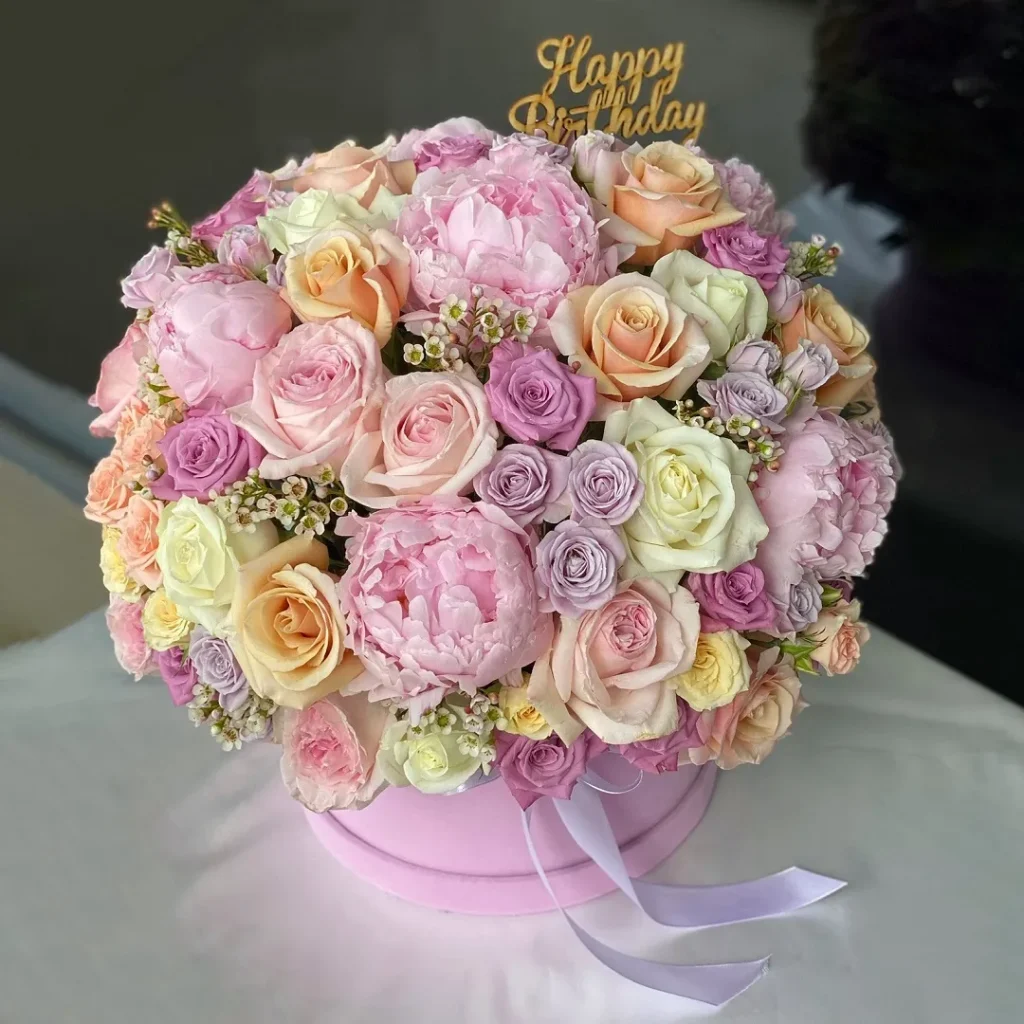
Creativity is rarely a straight line. For many, it is a lifelong pursuit of finding the right medium. For the founder of Flower Empire, that journey began in Latvia, far from the tropical humidity of Singapore. Growing up in a household defined by high fashion, her path was shaped by the graceful precision of a mother who was a professional clothes designer.
Watching stacks of patterns, meters of lace, and luxurious accessories transform into high-fashion gowns instilled a “Couture” mindset from an early age. It wasn’t about the fabric itself, but the ability to create beauty out of nothing. After exploring interior design, styling, and decorating, it was the world of floristry that finally offered the ultimate creative freedom.
Today, that European sensibility has found a home in Singapore, where “Floral Architecture” is redefining how luxury brands and individuals celebrate their most important moments.
What is Floral Architecture?
In a market like Singapore, which is saturated with mass-market floral delivery services and venture-backed apps, the “Artisan” approach stands out. Floral architecture is the bridge between traditional floristry and structural design. It moves beyond the simple “bunch of roses” and into the realm of bespoke installations.
For an expert who has spent over 10 years refining their craft, every bouquet is a complex project. Much like the dresses her mother once designed, these arrangements use flowers as “fabric” layering textures, colors, and scents to create a sensory experience that feels both “high fashion” and deeply personal.
The European “Couture” Influence in the Singapore Market
Singapore is a global hub for luxury, making it the perfect landscape for a European-trained eye. Whether it is a corporate gala in the CBD or a private celebration in a heritage shophouse, the “Floral Couture” trend is driven by three main principles inherited from the world of fashion:
- Structural Integrity: Using flowers to create shapes and silhouettes that defy traditional vase arrangements.
- Textural Depth: Mixing delicate peonies with structural greens and the spicy, nostalgic scent of dried flowers to create a multi-dimensional mood.
- Bespoke Tailoring: No two events are the same. Just as a designer fits a dress to a silhouette, a floral architect fits an installation to the specific “energy” and architecture of a room.
The Hard Work Behind the Art
While the final result, a kingdom of peonies, lilies, and graceful roses, looks effortless, the reality is one of rigorous discipline. “It is both art and hard work,” says the Flower Empire team.
The Singaporean floral market is incredibly competitive, with high-chain competitors dominating search results. To survive and thrive as an independent studio for a decade requires constant evolution. This includes participating in top educational programs and staying ahead of global trends to ensure that every project is “topped up” with fresh perspectives.
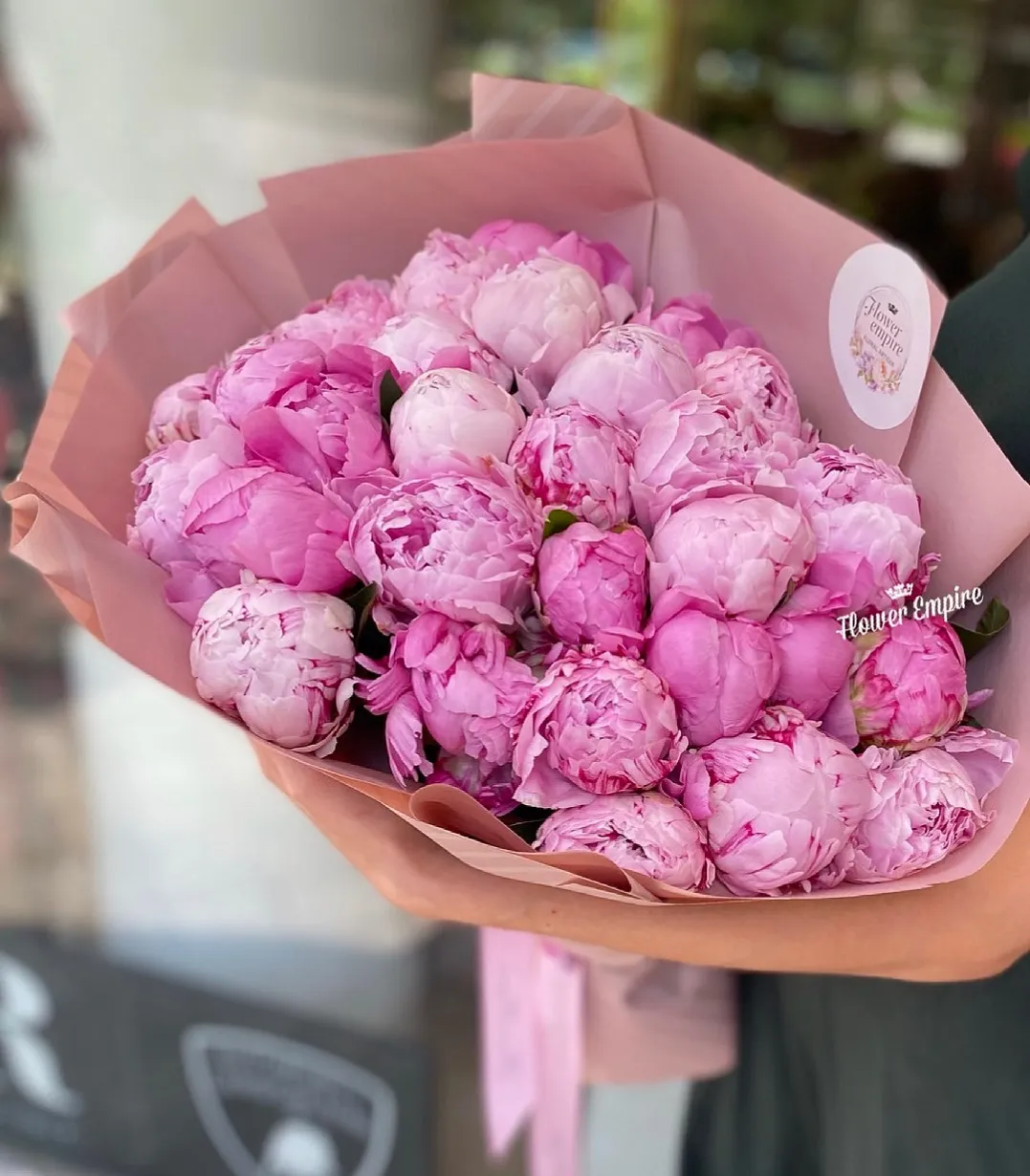
Why Singapore is Embracing Bespoke Florals
As Singaporeans increasingly value unique, “Instagrammable” yet sophisticated experiences, the demand for exclusive bouquets has spiked. People are looking for:
- Exclusivity: Moving away from “cookie-cutter” delivery to something born of imagination.
- Sensory Branding: Using the scent of lilies and the rustle of premium wrapping paper to create a memory.
- Cross-Topic Creativity: Merging flowers with fashion photography, photo projects, and interior decor.
The Future of Flower Empire
With a decade of experience in the bag, the next few years for this Latvian-born, Singapore-based studios are focused on complexity and scale. From “Floral Couture” outfits for unique photo shoots to large-scale decor, the mission remains the same: to give people faith in beauty and femininity through the medium of nature.
Frequently Asked Questions
1. How does a background in fashion influence floral design?
A fashion background teaches “Floral Couture” the art of treating flowers like fabric. This involves focusing on how different textures (like lace-like petals) and structures (like rigid stems) interact to create a balanced, artistic silhouette.
2. Is Flower Empire a local Singaporean brand?
Yes, Flower Empire is a bespoke florist based in Singapore, though its creative roots and design philosophy are heavily influenced by European “Couture” and over 10 years of international experience.
3. What services does a “bespoke” florist provide beyond bouquets?
Bespoke floristry includes decor for premises, celebratory events, and unique photo projects that involve floral accessories and custom-made floral outfits.
4. Why is the scent of flowers considered so important in your designs?
Scent is a powerful memory trigger. By blending spicy dried flowers with delicate peonies and lilies, we create a “sensual aroma” that helps guests or recipients connect emotionally with the moment.
5. How can I distinguish between a mass-market florist and an artisan studio?
Artisan studios focus on “complexity and beauty” rather than volume. Every arrangement is treated as an original project with unique textures and high-quality wrapping, rather than a pre-set template.