
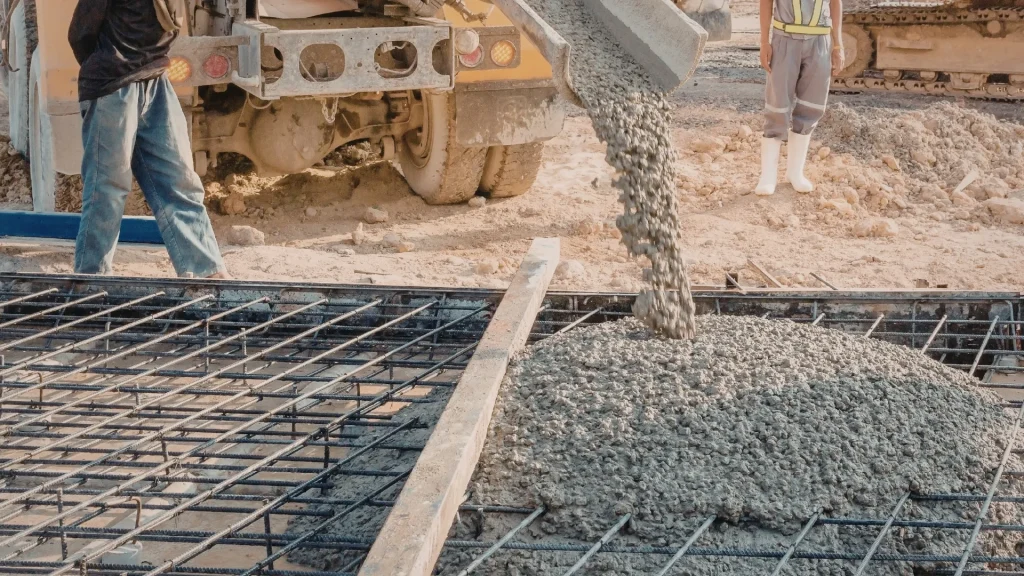
Here’s something most people don’t think about until it’s too late: when a structure starts failing ahead of schedule, the root cause almost always traces back to how the concrete was originally placed. It sounds simple. It isn’t.
Residential driveway, commercial warehouse floor, critical load-bearing foundation, it doesn’t matter the scale. How you approach concrete pouring from the start will determine whether that structure holds for decades or starts bleeding money through repairs within a few years. The difference between a slab that endures and one that cracks isn’t fate. It’s expertise. And that expertise shapes structural strength from literally day one.
A 2024 industry report found that 74% of U.S. construction professionals are already specifying or actively using low-carbon, high-performance concrete, which tells you something important. Professional standards aren’t a premium add-on anymore. They’re the baseline expectation.
So why does professional work matter so much? Let’s dig into that.
The Shifting Demands of Modern Construction
Twenty years ago, building tolerances were more forgiving. That era is gone. Tighter load specifications, updated building codes, more unstable soil conditions, today’s projects demand a level of precision that simply wasn’t required in previous generations.
Seismic activity, climate-driven weather extremes, and urban density have compounded those challenges further. Even a minor error during the pour can quietly compound into a serious structural problem years down the line. The consequences tend to hide until they don’t.
Professionals who specialize in concrete pouring arrive with materials science knowledge, site assessment capability, and quality control systems already in place. That preparation protects long-lasting foundations before a single truck pulls onto your property.
What Professionals Actually Do Differently
Let’s be specific. The advantages aren’t abstract; they show up in measurable ways throughout every phase of the job.
Mix Design Isn’t Guesswork
Getting the concrete mix right is where structural integrity either begins or ends. Professionals control water-to-cement ratios precisely and select admixtures based on your project’s specific load requirements and environmental exposure conditions.
An incorrect mix doesn’t just weaken concrete in the short term. It accelerates deterioration over time, sometimes dramatically. Every batch gets tested against structural specifications before it’s ever placed.
What Happens Under the Slab Matters Just as Much
Even flawless concrete underperforms when it’s poured onto a poorly prepared base. Soil testing, grading, compaction, sub-base installation, professionals handle all of this before placement begins.
Skipping or rushing that prep work is one of the most common reasons slabs fail. Moisture infiltration, uneven settling, and inadequate load support are preventable issues. Professional preparation eliminates them.
Equipment That Actually Matches the Job
Laser screeds, boom pumps, vibration consolidation tools, the machinery professionals bring dramatically improved placement precision and compaction consistency. Manual methods can’t match it.
Self-consolidating concrete now represents 9.8% of the market and can reduce labor requirements by up to 25%, which shows how professional methods improve structural quality and project efficiency simultaneously.
Weather Timing Is a Real Skill
Here’s one thing people underestimate: temperature extremes, unexpected rain, high humidity, any of these can cause rapid surface drying or freeze damage during the curing phase. Experienced crews schedule pours around forecast windows, deploy curing blankets when conditions shift, and use chemical retarders when needed. That timing knowledge alone has saved countless slabs from chronic shrinkage cracking.
What Goes Wrong Without Professional Oversight
Amateur pours result in segregation, honeycombing, and inadequate curing. These aren’t minor cosmetic flaws. They’re structural defects that often don’t surface right away, but worsen quietly, steadily, over the years.
Repair costs for failed slabs routinely exceed what professional services would have cost upfront. And in commercial settings, failed foundations don’t just cost money; they trigger insurance claims, property devaluation, and operational downtime that compounds quickly.
Cutting corners rarely saves money. It just postpones the expense.
The Long-Term Returns of Doing It Right
Sustainable Approaches That Don’t Sacrifice Strength
Leading professionals now incorporate eco-friendly mix designs, recycled aggregates, supplementary cementitious materials, and reduced water formulations that lower a project’s carbon footprint without compromising structural performance. In many cases, these sustainable mixes actually outperform conventional concrete on durability metrics.
Responsible building choices have become structural advantages. That’s a meaningful shift.
Custom Solutions for Different Structural Applications
No two projects are identical. Reinforced basements, decorative patios, heavy-load commercial floors, specialty industrial foundations, experienced professionals tailor their approach to each application. Decorative finishes, stamped textures, and color treatments can all be integrated without compromising structural strength, as long as the underlying concrete pouring is executed by someone who understands both sides of that equation.
Choosing the Right Contractor
The right team makes the difference between a structure that holds and one that doesn’t. When evaluating contractors, look at certifications, portfolio depth, warranty terms, and safety protocols.
Ask directly about liability insurance, timeline commitments, the specific mix designs they plan to use, and references from comparable past projects. These aren’t uncomfortable questions; they’re exactly what a professional contractor expects you to ask.
For certifications specifically, prioritize ACI certification, OSHA compliance, manufacturer training credentials, and active state contractor licensing. Those aren’t just boxes on a checklist. They reflect genuine technical competency and a real commitment to doing the work properly.
What’s Coming Next in Structural Concrete
Self-healing concrete, fiber-reinforced mixes, smart sensor monitoring embedded in slabs, these aren’t futuristic concepts. They’re active developments reshaping what structural durability can look like. In recent bridge foundation trials, self-healing concrete reduced surface cracking by 90% within just 12 months.
Professionals who stay current with these innovations, and clients who hire them, end up at the front of the curve on structural resilience.
Final Thoughts
Every structure starts from the ground up. Literally. When the concrete pouring process is handled with the right materials, proper preparation, and genuine expertise, the results show up in decades of reliable performance rather than unexpected repair bills.
You don’t have to be a builder to make a smart decision here. You just have to recognize that the foundation your project sits on is the one place you really don’t want to cut corners.
Frequently Asked Questions
Why is professional concrete pouring important for structural strength?
Professional concrete pouring ensures the correct mix design, proper site preparation, and precise placement techniques. This reduces risks like cracking, settling, and weak load-bearing capacity, helping the structure last significantly longer.
What are the common problems caused by poor concrete pouring?
Poor concrete pouring can lead to issues such as cracking, honeycombing, uneven surfaces, water seepage, and structural weakening. These problems often appear over time and can result in expensive repairs or even structural failure.
How does the weather affect concrete pouring and curing?
Weather conditions like extreme heat, cold, rain, or high humidity can affect how concrete sets and cures. Professionals manage these risks by adjusting schedules, using curing techniques, and applying additives to ensure proper strength development.