
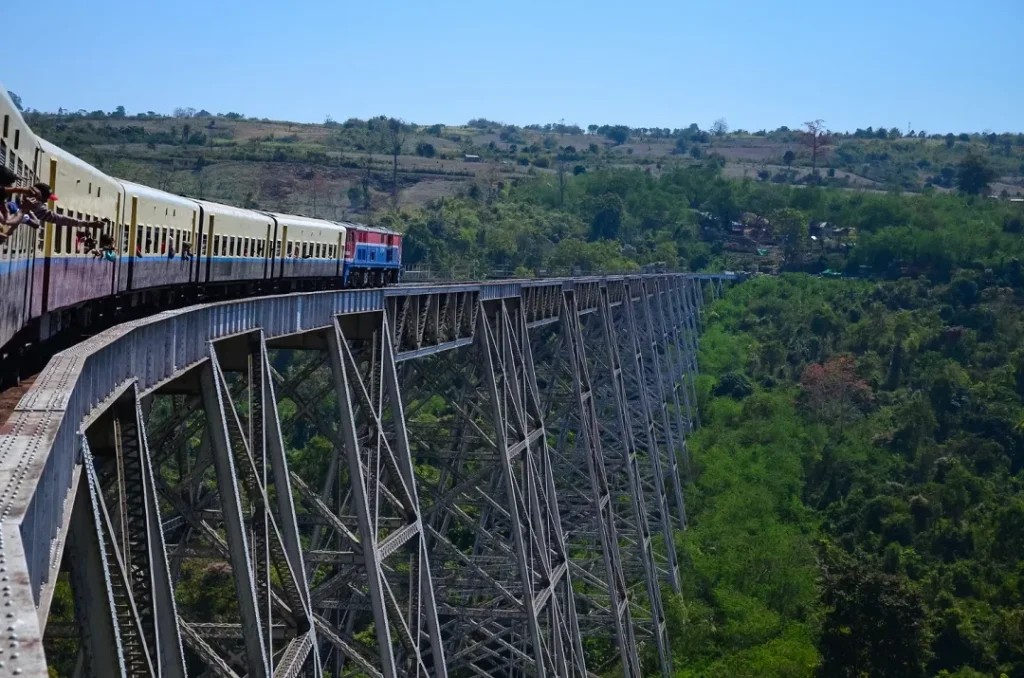
Railway Technology Exhibition Asia has become one of the most significant platforms shaping rail innovation, infrastructure development, and transport modernisation across the region. With Asia’s rapidly growing cities and increasing demand for sustainable mobility, the exhibition now serves as a powerful gateway for networking, knowledge-sharing, and showcasing next-generation rail solutions. It attracts policymakers, rail operators, engineers, investors, and technology leaders eager to understand where the future of transport is heading.
As railway networks evolve, Asian countries continue to embrace high-speed rail, digital signalling, advanced automation, and predictive maintenance technologies. Consequently, events like this exhibition play a major role in accelerating collaboration among global manufacturers and Asian rail authorities.
How Railway Technology Exhibition Asia Supports Regional Innovation
1. A Premier Platform for The Future of Rail in Asia
The first major advantage of the Railway Technology Exhibition Asia is its ability to gather diverse rail stakeholders under one roof. Exhibitors and attendees gain critical insights into the future of rail in Asia, where several trends stand out.
Asian countries are currently expanding rail networks at an unprecedented pace due to rising urbanisation. From metro systems in Vietnam and Thailand to high-speed rail in China, Japan, and Indonesia, the continent continues to become the centre of global railway advancement. With this accelerated growth, industry players require updated knowledge, partnerships, and demonstrations of emerging technologies.
Many exhibitors highlight innovations such as autonomous trains, digital twins for infrastructure planning, advanced track monitoring sensors, and green rail materials designed to reduce carbon footprint. These technologies demonstrate how the region prepares for climate-resilient transport networks.
2. Spotlight on Railway Automation in Asia
One of the most discussed topics at the exhibition remains railway automation in Asia, a field that has advanced quicker here compared to many Western markets. Automation is reshaping train operations, asset management, and safety strategies.
Several Asian metros already run driverless rail systems, such as those in Singapore, Kuala Lumpur, and Dubai. Presentations and showcases at the exhibition typically focus on:
- Automatic Train Operation (ATO) and Automatic Train Control (ATC).
- Condition-based maintenance using AI-powered analytics.
- Autonomous inspection robots for tunnels and tracks.
- Smart stations equipped with intelligent passenger-flow systems.
These solutions illustrate how operators can boost capacity, reduce operational costs, and improve service reliability.
InnoTrans Expands to Singapore in 2027: What It Means for Asia
A major milestone for the region is the announcement that InnoTrans expands to Singapore in 2027, marking its first Asian edition outside Berlin. As the world’s largest trade fair for transport technology, InnoTrans brings tremendous global attention to the Asian market.
This expansion positions Singapore as the central hub for Asian rail innovation, reflecting the nation’s advanced rail infrastructure and strong government support for transport technology. The presence of InnoTrans in Singapore will provide regional companies much easier access to global rail suppliers, researchers, and investors.
By linking its brand with major exhibitions in Asia, InnoTrans aims to encourage cross-border knowledge exchange and strengthen the continent’s position in global transport engineering.
Key Themes Covered at Major Railways Engineering Trade Shows in Asia
The region’s rail exhibitions, including Railways Engineering Trade Shows in Asia, consistently explore essential topics shaping industry evolution. These recurring themes reflect the industry’s future direction and the needs of fast-growing rail markets.
1. Sustainable Rail Infrastructure
Green building materials, carbon-neutral rail operations, energy-efficient trains, and regenerative braking technology often take centre stage. Exhibitors highlight how infrastructure can minimise environmental impact while maintaining high performance.
2. Digitalisation Across the Rail Lifecycle
Automation is not the only digital trend; asset intelligence, Internet of Things (IoT) devices, cybersecurity solutions, and digital procurement platforms are also gaining momentum. Many workshops demonstrate how digital rail management enhances reliability and operational efficiency.
3. Passenger-Centric Transport Systems
User comfort, accessibility, safety, and seamless connectivity between rail and other transport modes remain high priorities. Smart ticketing systems, real-time passenger updates, and crowd-monitoring technologies illustrate that modern rail transport must prioritise commuter experience.
4. High-Speed Rail and Cross-Border Mobility
Asia leads the world in high-speed rail development. Exhibitions examine best practices in network integration, tunnel engineering, signalling systems, and construction technologies required for high-speed mobility.
5. Workforce Development and Engineering Talent
Panels frequently address skills shortages and the need for specialised railway engineers. Many sessions explore reskilling programmes and new engineering competencies required to manage next-generation transport systems.
Why Railway Technology Exhibition Asia Matters for Governments and Operators
Strengthening Regional Collaboration
Governments and operators can explore joint projects, share engineering methodologies, and harmonise standards. This strengthens interoperability between networks, an important issue for countries planning cross-border rail links.
Accelerating Adoption of New Technologies
Exhibitions allow operators to see technologies in action before adopting them. Demonstrations from global and regional suppliers help decision-makers choose scalable solutions.
Supporting Future Urban Mobility Needs
Asia’s population growth makes efficient rail systems vital. Exhibitions highlight long-term rail planning models, disaster-resilient infrastructure designs, and innovative financing strategies.
Railway Events and Exhibitions: Growing Momentum in Asia
The demand for Railway Events and Exhibitions continues to grow, driven by major upcoming projects across ASEAN, South Asia, and East Asia. Governments increasingly view exhibitions as strategic platforms to boost foreign investment and attract partnerships for megaprojects such as metro lines, high-speed rails, and regional connectivity corridors.
Countries like Singapore, China, India, Indonesia, and Thailand all host specialised rail events, each contributing to regional advancement. Exhibitors benefit from frequent opportunities to promote new components, engineering services, and digital rail technologies.
As more international participants focus on Asia, the region solidifies its position as the global centre of innovation for rail networks.
Conclusion: The Expanding Role of Railway Technology Exhibition Asia
The Railway Technology Exhibition Asia remains a crucial platform for showcasing transport innovation, promoting automation, and preparing the region for the next generation of mobility. As Asia enters a new era of high-speed rail, autonomous transport, and sustainable infrastructure, exhibitions will continue to guide its transformation. With InnoTrans arriving in Singapore in 2027 and regional trade shows gaining momentum, the future of Asian rail transport looks more collaborative, advanced, and interconnected than ever.
FAQs
What is Railway Technology Exhibition Asia?
It is a major regional event showcasing rail innovation, engineering advancement, and digital technologies for transport networks across Asia.
Why is the future of rail in Asia gaining global attention?
Asia leads in high-speed rail expansion, digital signalling, and mass transit development, making it a global centre for modern railway solutions.
What is the impact of InnoTrans expanding to Singapore in 2027?
The expansion positions Singapore as a transport technology hub and offers Asian companies greater access to global rail innovations.
What topics are usually covered at rail engineering trade shows?
Sustainability, automation, digitalisation, high-speed rail, safety, asset management, and passenger-centric systems are common themes.
Why are railway automation technologies growing so quickly in Asia?
Countries prioritise efficient, safe, and high-capacity mass transit, driving adoption of autonomous systems and digital rail management.