
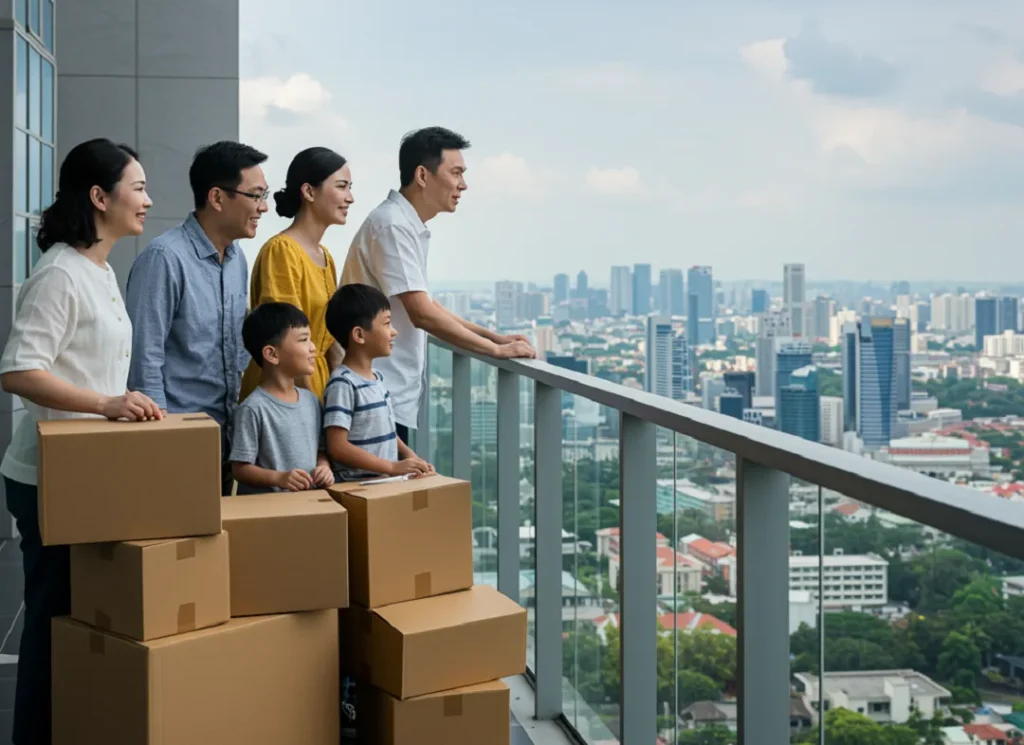
Renting a house in Singapore is one of the most common ways for foreigners, professionals, and families to settle into the city. Singapore is known for its safety, modern infrastructure, and high standard of living, which makes it one of the most desirable places to live in Asia. Whether you are relocating for work, education, or long-term residence, understanding how renting works in Singapore will help you avoid costly mistakes and find the right home faster.
This guide explains how much it costs to rent in Singapore, whether a foreigner can rent a house legally, what type of home is best for families, and what the rental process looks like from start to finish.
How Much Does It Cost to Rent in Singapore?
The cost of renting a house in Singapore depends on location, property type, size, and how close the home is to MRT stations, schools, and business districts. Central areas such as Orchard, Marina Bay, and Tanjong Pagar are more expensive, while suburban towns like Woodlands, Jurong West, and Yishun are more affordable.
On average, renting a private apartment in Singapore costs between SGD 2,500 and SGD 5,000 per month. Larger family homes or landed houses can easily exceed SGD 6,000 to SGD 10,000 per month, especially in premium neighborhoods. Public housing flats are cheaper than condominiums, but still well-maintained and located near transport and amenities.
If you are searching for “house rent in Singapore per month,” the realistic range for most expats and families is between SGD 3,500 and SGD 6,500 depending on lifestyle and space requirements.
Can a Foreigner Rent a House in Singapore?
Yes, a foreigner can legally rent a house in Singapore. You do not need permanent residency to rent a home. Foreigners with a valid Employment Pass, S Pass, Student Pass, or Dependant Pass are allowed to sign tenancy agreements.
Foreigners typically rent private condominiums, serviced apartments, and in many cases entire HDB flats with owner approval. While foreigners cannot buy most types of residential property, renting is fully permitted and common among expats.
Singapore’s rental laws protect both landlords and tenants, which makes the process transparent and secure if you follow the proper steps.
Renting a House in Singapore for Family
For families, the most important factors are space, schools, safety, and accessibility. Most families prefer three-bedroom condominiums or large HDB flats located near international schools, parks, and MRT lines. Areas such as Bukit Timah, Holland Village, East Coast, and Serangoon are popular with families because they offer quieter environments and strong community facilities.
A family renting a house in Singapore should budget for not only rent but also utilities, transport, and school-related expenses. Singapore is very family-friendly, and many neighborhoods are designed with playgrounds, clinics, and shopping centers within walking distance.
What Is the Rental Process in Singapore?
The rental process in Singapore usually starts with choosing a location and setting a budget. Once you find a suitable property, you submit a Letter of Intent to the landlord. This is followed by negotiating terms such as rental price, lease length, and repair responsibilities.
After both sides agree, a Tenancy Agreement is signed. Most leases are for 12 or 24 months. You will typically pay one to two months’ rent as a security deposit and one month’s rent in advance.
Before moving in, the property should be inspected, and all conditions should be documented. This protects both you and the landlord at the end of the lease.
What Documents Do You Need to Rent in Singapore?
To rent a house in Singapore, you usually need your passport, valid visa or work pass, proof of employment or income, and signed tenancy documents. These confirm your legal right to stay in Singapore and your ability to pay rent.
What Are the Living Costs Besides Rent?
Besides rent, you should budget for utilities, internet, mobile service, cleaning, and transport. Public transport in Singapore is affordable and reliable, so most residents do not need a car. Monthly living costs vary, but most renters spend an additional SGD 300 to SGD 600 per month on basic utilities and services.
Why Rent a House in Singapore?
People choose to rent in Singapore because of the country’s safety, strong job market, world-class healthcare, and excellent education system. Singapore also offers one of the best public transport systems in the world, making it easy to live without owning a car.
For expats and families, renting provides flexibility and access to high-quality housing without long-term ownership commitments.
Conclusion
Renting a house in Singapore is a smart and flexible option for foreigners, professionals, and families who want to live in one of Asia’s most developed cities. With a clear understanding of rental costs, legal rules, and location choices, you can find a home that fits both your budget and lifestyle.
Whether you are looking for a family house in Singapore or a modern apartment near the CBD, the key is to plan carefully, read your tenancy agreement, and choose a location that supports your work, school, and daily life.
Frequently Asked Questions
Before exploring the most common questions, it’s important to understand that renting in Singapore is simple once you know the rules, prices, and legal steps. These FAQs answer the top queries people search online about renting a house in Singapore.
How much does it cost to rent in Singapore?
Most people pay between SGD 2,500 and SGD 5,000 per month for a private apartment. Family homes usually range from SGD 4,500 to SGD 6,500 per month.
Can a foreigner rent a house in Singapore?
Yes. Foreigners with valid passes can rent legally without restriction.
What is the average house rent in Singapore per month?
The average for a family-sized home is around SGD 4,500 to SGD 6,500 per month.
Is renting in Singapore good for families?
Yes. Singapore offers safe neighborhoods, excellent schools, and family-friendly infrastructure.
How long is a typical rental contract?
Most leases are for 12 to 24 months.